The Picture of Dorian Gray offers a haunting metaphor for AI: a man whose perfect face never ages, while his hidden portrait absorbs the consequences of his moral decay.
I read a brilliant post from Fiona Tribe, where she likened AI to a non-material prosthetic, and in the comments, I stumbled my way into a comparison with AI and Dorian Gray. Dorian Grai? Maybe?
In The Picture of Dorian Gray, Oscar Wilde gives us a lasting image: a man who stays outwardly perfect while his hidden portrait records every act of corruption.
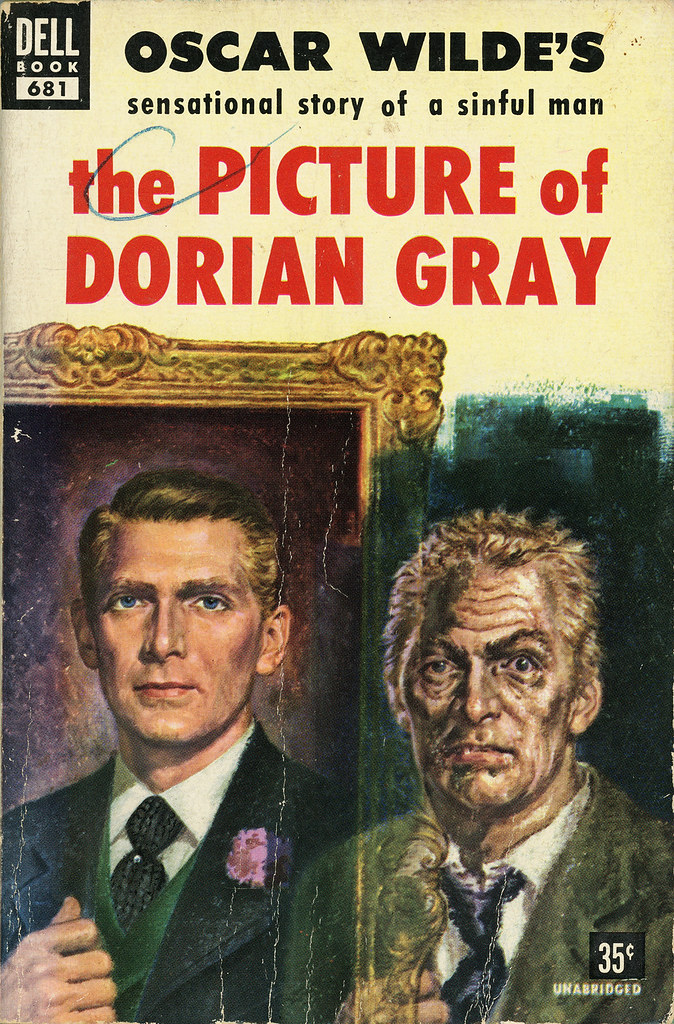
That’s what AI is starting to look like.
AI Is The Polished Surface
AI is the clean, idealized version of us — productive, articulate, tireless. It remembers everything, talks like a human, and performs without pause. It looks like progress. It acts like control.
Meanwhile, people are fraying. Burnout is rising. Social connection is thinning. Cognitive overload is constant. AI shines, but the human side is quietly degrading.
What Are We Losing?
As AI takes over tasks we once handled ourselves, we stop using the muscles that matter — attention, cognition, empathy, internal narrative. These don’t just weaken; they wither.
We lose the habit of thinking things through. We click instead of reflect. We scroll instead of relate. We consume meaning instead of making it.
The portrait decays, even if we avoid looking.
The Mask Comes Off
Sooner or later, we’ll have to face the gap between how we appear and how we actually are. When the external self — optimized by machines — moves too far from the internal one, things break.
This isn’t a rejection of AI, rather a stolid and sober recognition of what AI is displacing. Tools change us. This one changes how we think, how we feel, and how we relate — all beneath the surface.
What Comes Next
We need to stay in contact with the parts AI doesn’t touch.
That means:
Making space for slow thinking
Defending emotional effort
Noticing when delegation becomes disconnection
Designing with the human, not just the user, in mind
Your self-portrait is in the attic. It’s changing whether you look at it or not.
Look now — while it still resembles you.
 POSMarketing