Modern culture has shifted from thick storytelling to thin content, and when thin becomes the foundation, rather than a byproduct of thick work, culture gets hollowed out.
The clip show, the highlight or newsreel, the training montage, the vacation slideshow, the baby book—we’ve always had compendiums of content that abstract the toil, boredom, and process of life into a neatly packaged product.
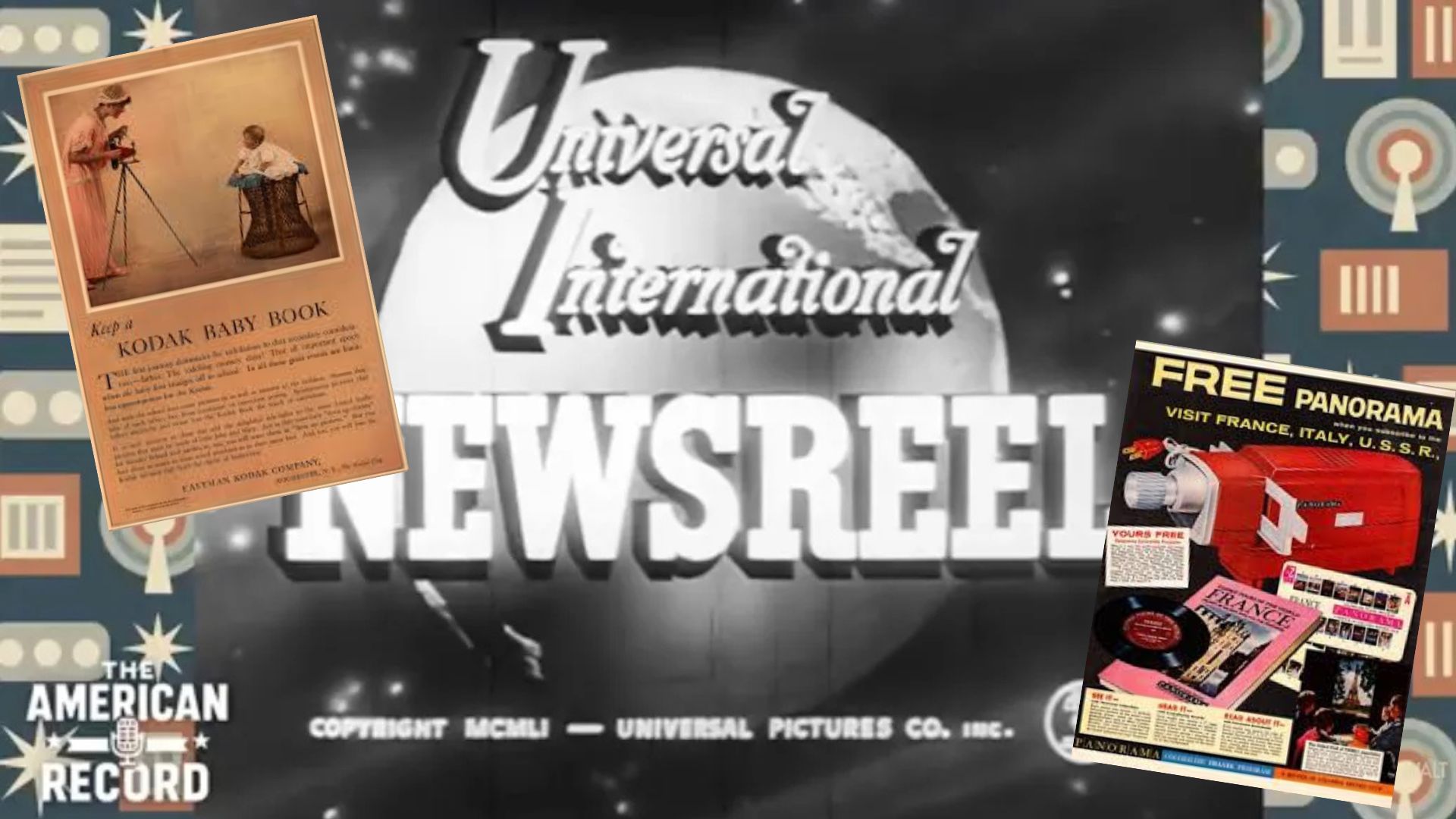
Instead of the raw, thick, often boring and sometimes senselessly cruel reality of living, we’re offered—and increasingly seek—comfort in products that condense experience, remove process, and present a thin, entertaining, scannable readout of only what we need. These formats emerge from edits and provide a sense of meaning without duration.
It’s the same mindset behind meal-replacement multivitamins: the belief that you can extract the benefits of food without engaging with it directly, without chewing, cooking, or even thinking about it. The nutrients remain, but the practice of preparing and finding food becomes some kind of mirage.

There’s nothing inherently wrong with this in the short term. Abstraction can be extremely useful and compression is efficient. But what happens to a culture that allows this clip-based mindset to perniciously take hold of popular consciousness, and persist and proliferate for decades? Say, thirty-five years. What would it produce?
The DNA of AFV
America’s Funniest Home Videos premiered as a one-off special in 1989. Since 1990, it has run continuously on ABC—36 seasons, more than 800 episodes—making it one of the longest-running primetime entertainment shows in television history.
When it first aired, I watched it along with everyone else. Early on, the footage was genuinely incidental. The families were unknown, the videos rough, the moments clearly found and not staged for broadcast. When people won prizes, they looked surprised and vaguely uncomfortable on camera. The appeal came from the sense that these were real, unplanned fragments of actual lives.
A few seasons in, something shifted. It became obvious that some videos were being shot for the show. The families looked rehearsed when they took the prize and the moments seemed framed with broadcast in mind. What began as found footage slowly turned into speculative content: people performing in advance for capture and incentive.

After enough ball punches and manufactured elation, I lost interest. However, as we’ve experienced, the format didn’t disappear but metastasized.
The clip-centric production line spread across pop culture: first through shows like Jackass, then through reality television, and eventually through social media.
At that point, we all lived through it, clips became an entire infrastructure.
AFV didn’t cause this trajectory on its own, but perhaps functioned as a mass-scale proof of concept. Studio heads probably zeroed in on the fact that AFV proved you could build durable entertainment through user generated content, without talent or authorship, hyper-compressing context, and letting incentivized capture replace intention and behavior.
The lesson became a genetic blueprint for media and offline life.
We Exist for Captured Clips
The idea that we perform for capture is no longer controversial. The only question is the degree.
Some people are “too online” while others are able to turn constant performance into a career. Most of us exist somewhere in between, clipping up our lives—consciously or not—to see if something might land, travel, or be featured.
Using AFV as a launchpad, we’ve already rocketed past the point at which authenticity gave way to incentive. Behavior online, and off, has shifted our perspective on lived moments, seeing them no longer for themselves but evaluated by how they might play back.
And if you think this is just an entertainment quirk of the terminally online, it’s not. It’s me, and it’s you, and after decades of clip-based conditioning, the result is a widespread (but consciously unrecognized, or perhaps willfully ignored) acceptance of an engineered reality, and acquiescence to our role as both its eternally starved consumers and its uncomfortably stuffed, content-rich producers.
Enjoy the dichotomy! I know I am!
When Producers Began to Outnumber Writers
One downstream result of AFV was reality television. When reality TV hit, audiences were apparently clamoring for “the real deal.” According to the rating numbers, it appeared as if audiences didn’t want to watch perfect celebrities and elaborately sculpted stories anymore, they wanted to see themselves in the raw.
Scripted shows with writers, arcs, and intention gave way to formats optimized solely for capturing clips.
In scripted television, the story is written before filming. In reality TV, footage is captured first and the story is assembled afterward. Clips are the life-blood of these shows, and any storytelling comes as an editorial artifact.
Where a sitcom might credit a handful of writers and producers, a reality show credits dozens (even 40+) of producers, multiple camera crews, and layered production teams. The labor shifts from process of authorship to extraction of product. Everything depends on gathering enough footage to manufacture a narrative later.
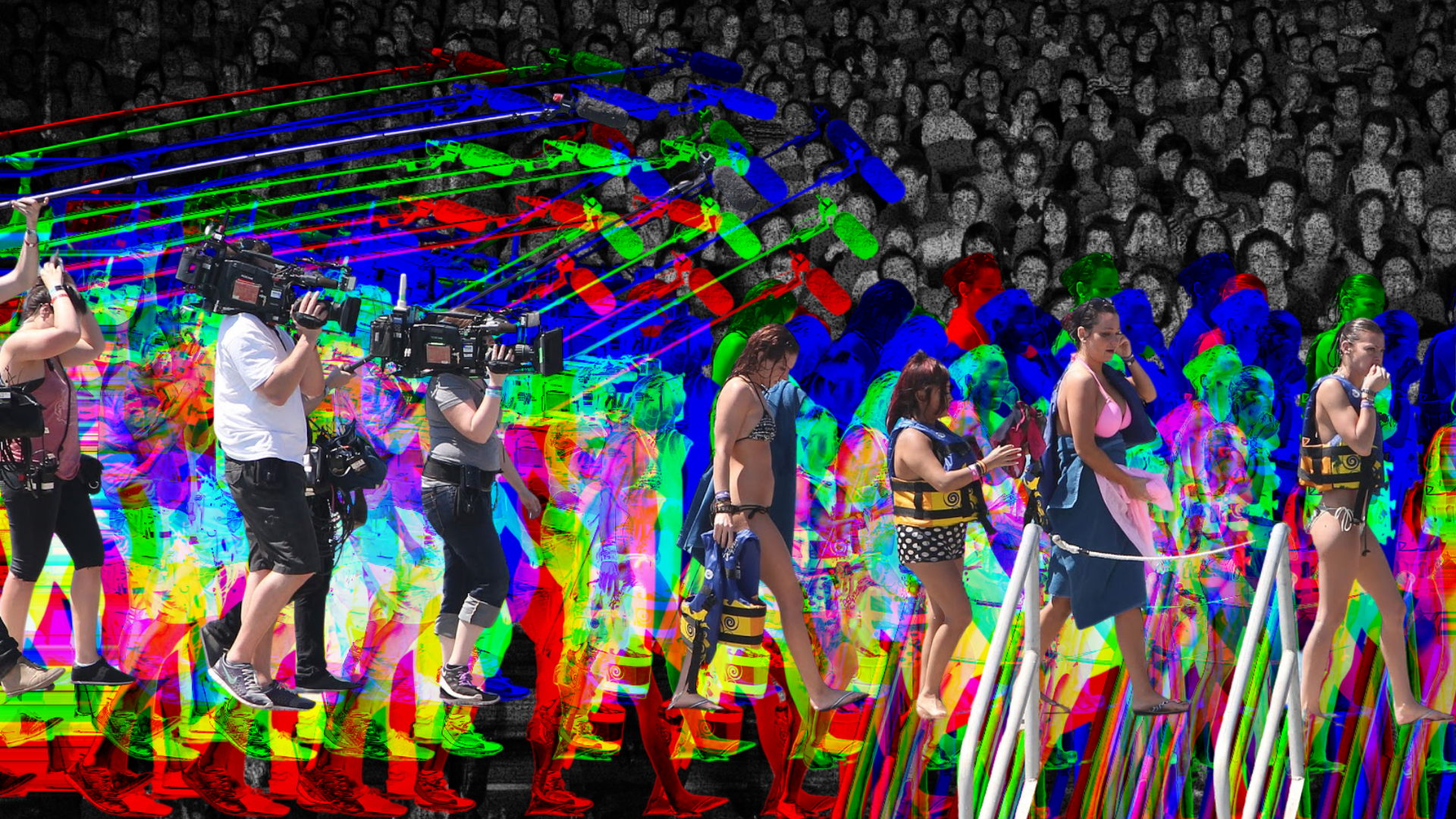
Social media scales this model perfectly and includes the audience at home, a jacked up version of AFV. Most users aren’t writing or producing original stories; they’re reacting, sharing, remixing, and lightly editing existing material. We consume clips and produce them, day in, day out. But when producers replace writers, there’s no intention guiding creation, action becomes reactive, performative, and incentive-driven. It is a production…literally.
After thirty-five years of this AFV-like infrastructure to media, it no longer feels strange or off. In a real way, America has become its own funniest home video.
So, why am I still talking?
Process vs. Product (The Skill We Gave Up)
After decades of living alongside a cultural engine built on AFV-refined outputs, what has it done to us? The clearest damage appears in our confusion between process and product, work and output, effort and recognition.
Take education for example…
The outcome process of education is learning how to teach yourself. The output product is a diploma, which is often mistaken for the point.
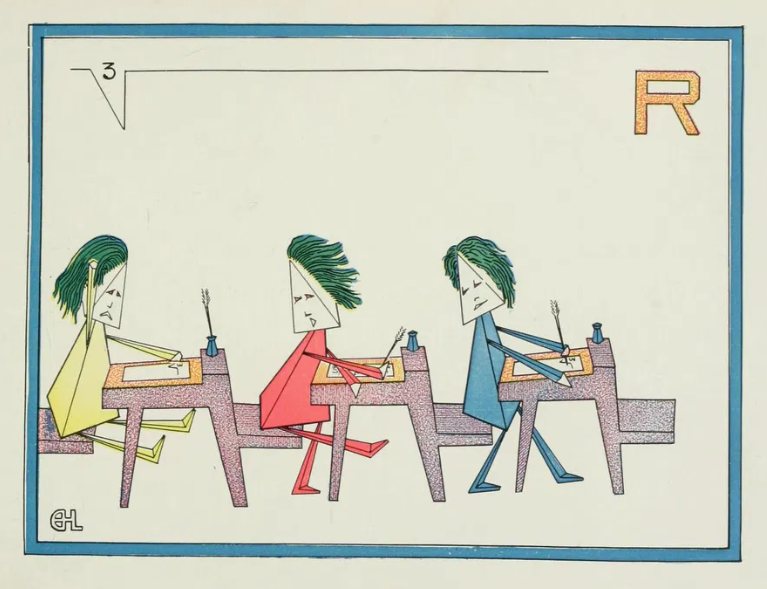
This confusion between process & product hardened, about two decades into having AFV in our DNA, when reality TV and social media hit, and audiences stopped being audiences and started thinking like producers.
In television, production replaced authorship. It’s become more important to learn how to produce and compile clips than actually tell a story. In music it’s more important to have stage presence rather than work hard to earn and deserve to be on one. In art it’s about affect and aestethics more than learning how art evinces these effects in yourself and others.
We didn’t lose respect for process outright, but culturally absorbed just enough producer language to believe outcomes could exist without it. That belief has hollowed out both the work and the people consuming it.

When a culture only consumes products, it stops producing people who understand process. Everyone wants to arrive; no one knows how to set off. Everyone wants the spotlight; no one knows what sustains the light.
A culture that worships and idolizes products will end up forgetting how to make them. A culture that tries to forge meaning solely through procedural outputs, is at extreme risk for forgetting how to process and live life itself.
Or is this just a thick slice of bullshit? About that….
Thin vs. Thick
Luke Burgis, drawing on René Girard’s mimetic theory, describes thin and thick desires in his book Wanting. The distinction is useful here.
Thin desires are lightweight and imitative. We want them because we see others wanting them. They attach easily to trends and disappear just as quickly.
Thick desires form slowly. They are rooted in values, relationships, and long attention. They endure because they are cultivated, not copied.
A culture saturated with finished products and visible outcomes makes thin desires abundant and thick desires rare. When process disappears, desire itself becomes procedural—magnetizing us toward what looks desirable rather than what is worth wanting.
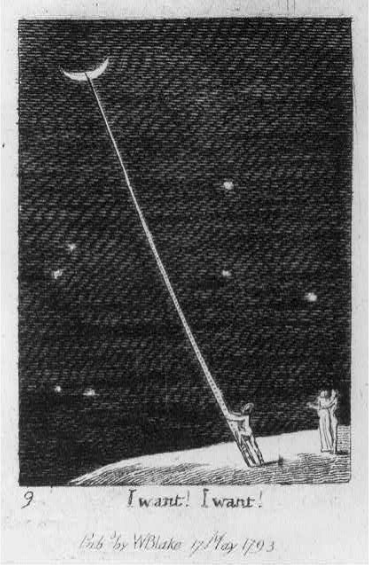
Thirty Years of Thin and the Missing Thick
Thin programming—AFV-style clips, memes, junk content—isn’t inherently bad. The problem is scale, dominance, and evolution. Thin content increasingly pretends to be thick. But it ain’t.
If you start with something vapid and thin, its only evolution is exaggeration. It becomes more pornographic, more violent, more absurd, more meaningless. You can’t arrive at thick, cerebral depth by intensifying thinness. That path only loops back on itself—a self-referential ouroboros, endlessly consuming its own output.
After thirty plus years, the results are visible. No argument is required. Unless, you’re in the thick of it and have figured it all out. Tell the monks we said hello!
I don’t care what you watch or listen to, and I’m not claiming thin content lacks redeeming qualities. But you can’t stack thin sheets into a load-bearing wall. Thin content serves a purpose, but it never swells into thickness. When it dominates, it actively devalues anything that requires time, attention, or patience.
Thick content isn’t defined by seriousness or artiness. I think it has a few, distinct properties:
it takes time to make and time to receive
it is weighted with values and relationships
it implies a worldview without announcing it
any clip taken from it must point back to the whole, even a thin slice carries the flavor of its thick source

Thin content is shaved from thick material, and that thickness must be maintained. If we don’t defend it, thin content begins slicing from itself. Eventually, it becomes thin cuts taken from nothing at all.
And a culture fed on meaningless bullshit forgets not just how to discover and make meaning, but how to sustain it.
For a full deep dive into the thin/thick dichotomy and for answers on how to address and confront this seriously epistemological concern, check out Eaon Pritchard’s “Chairman of the Bored”
Land the plane man!
America’s Funniest Home Videos still airs every Sunday night. The show hasn’t changed much, and neither has the audience response. We still laugh, clap, and reward clips.
The difference is that AFV is no longer a show we watch, but a culture we inhabit. We no longer submit clips but submit to them, live inside their sliced up logic.
We perform, capture, edit, and evaluate ourselves in real time, exchanging meaning for visibility and reaction for value.
AFV once extracted thin moments from thick lives. Now we extract thin moments from one another, and increasingly from ourselves, and ultimately from nothing at all.
And when the clips become the foundation rather than a byproduct of a fully lived and meaningful life, what’s funny isn’t the slip and fall, but how little remains standing afterward.
Unless, you’re in the thick of it….if so, hold the line and keep adding layers.
 POSMarketing