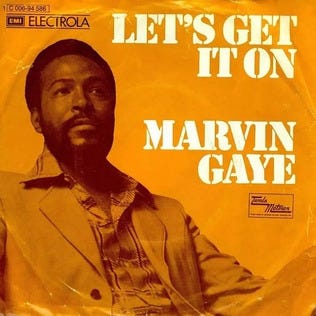
“People say, “Believe half of what you see
Son, and none of what you hear”
– “I Heard It Through The Grapevine” – Marvin Gaye, 1969
From Marvin To Modems
When I was growing up, I had an obsession with Marvin Gaye. I was captivated by his music and voice, the grooves, the Marvin-only overdub harmonies. The first song that brought Marvin into my world was his 1969 smash hit, “I Heard It Through The Grapevine.”
From the very first sizzling slap of the tambourine and the alluring intro vamp of the keys, to the french horn swell shoving us into the verse, the song threw me into a narrative universe and held me tight in a master storyteller’s tractor beam.
However, the iconic groove wasn’t the most captivating part; I remember really freaking out about this ‘grapevine’ thing.
If the grapevine wrecked this guy’s world, it seemed devastating and urgent to me to figure it out.
How did people know things about other people? How does that knowledge become reality?
Was there some kind of information network that can tell you what’s true before someone else knows about it? Is it gossip, is it rumor, is it actually (hopefully) grape flavored?
I remember thinking, if the grapevine is real – how the hell does it work!?

Just a few years after being introduced to “the grapevine,” we got online, and our home computer, and Prodigy, became the center of attention.

This was well before socialized internet and iMessaging. Prodigy was not for socializing yet but for…something, at that point we hadn’t quite cracked the purpose.
As ubiquitous internet continued its rise in the 90s, there was one grapevine-flavored caveat that kept popping up – “don’t believe everything you see online” – which was now paired with another principle of technocratic faith, “this is the future.”
Don’t believe everything you see online + Online is the future
And indeed it was the future. Almost three decades later I’m interminably online and working in digital marketing (a role not possible without computers), so its safe to say the once and former, well rumored, and not to be believed future of the internet is here.
And yet, I’m wondering about the online future you can’t believe, especially if you read about it online.
I’m still wondering about the online grapevines, which haven’t gone away but have grown larger, and more tangled, and more complicated.
I’m wondering how much of the vine has actual grapes?
From Being Online to Betting On It All
After I read that ad spend in the US is 2x GDP and media spend wildly diverges from time spent on certain advertising mediums, and learned how Americans are spending more time gambling than going to movies, music, art, or museums combined, I had to take a pause, drink my juice box, and collect my thoughts.
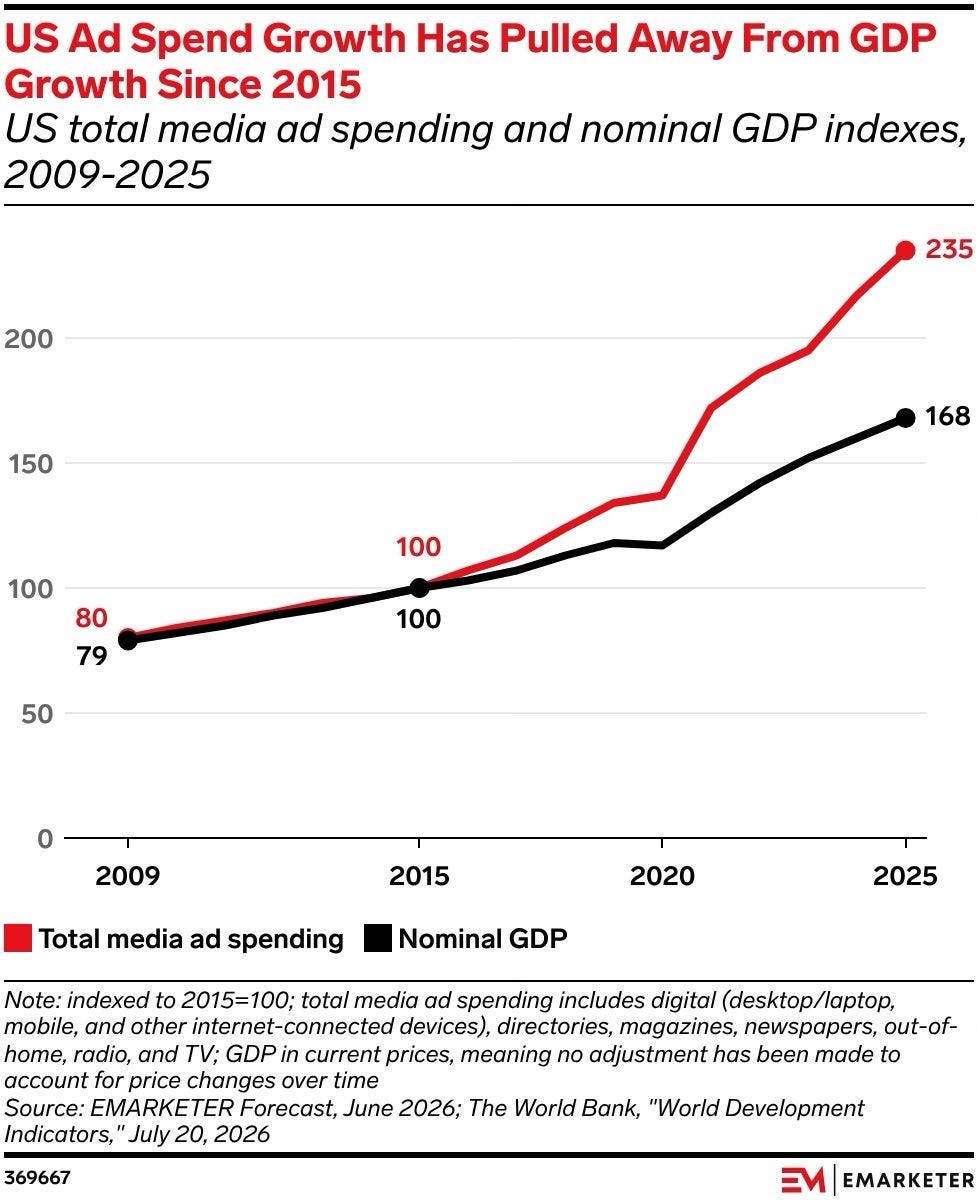
My initial take on the GDP chart seems simple but I think profound, “ad spending is growing faster than the economy.” Which is exciting and defended by people in marketing who make and spend that cash, but the prospect should cause some concern; we’re advertising goods & services past the point where the wealth/finances available in the marketplace can meet the obligation. Period.
Reminds me of all the sweepstakes and contests in the 80s & 90s, where you would hear the legally required phrase – “many will enter, few will win”
If the supply can’t meet the demand, are we at least advertising to the best of our data-driven abilities? Well, let’s review the next chart…
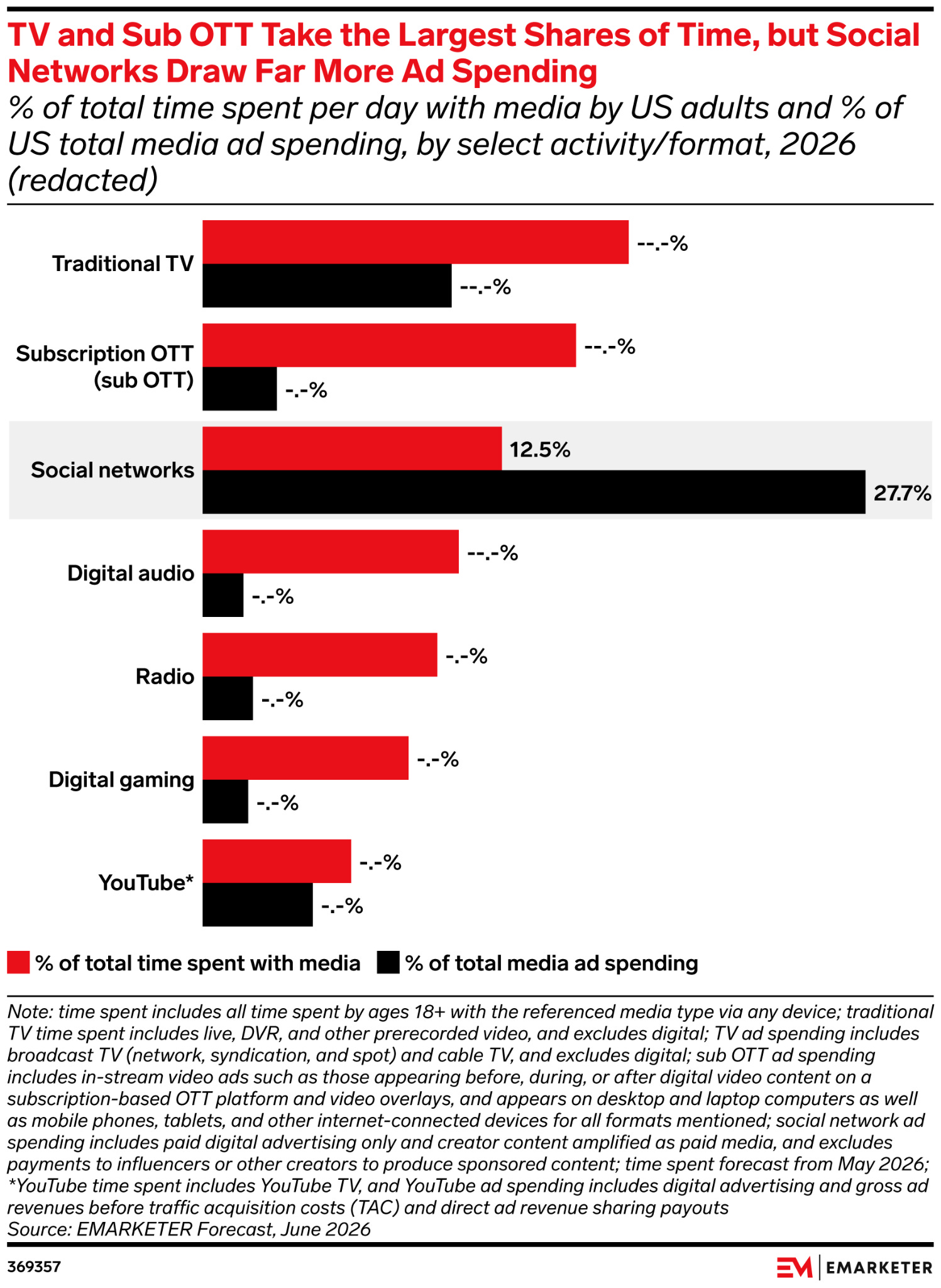
The evidence from eMarketer here shows that ad budgets are not even closely aligned with the mediums where people are spending time, with a massive, data-ignorant overinvestment into social media.
Taking these two charts into consideration, it’s evident that more money is going into advertising than will EVER come out, and a lot of that ad money is being misused and backing bad odds and the wrong horses, entirely.
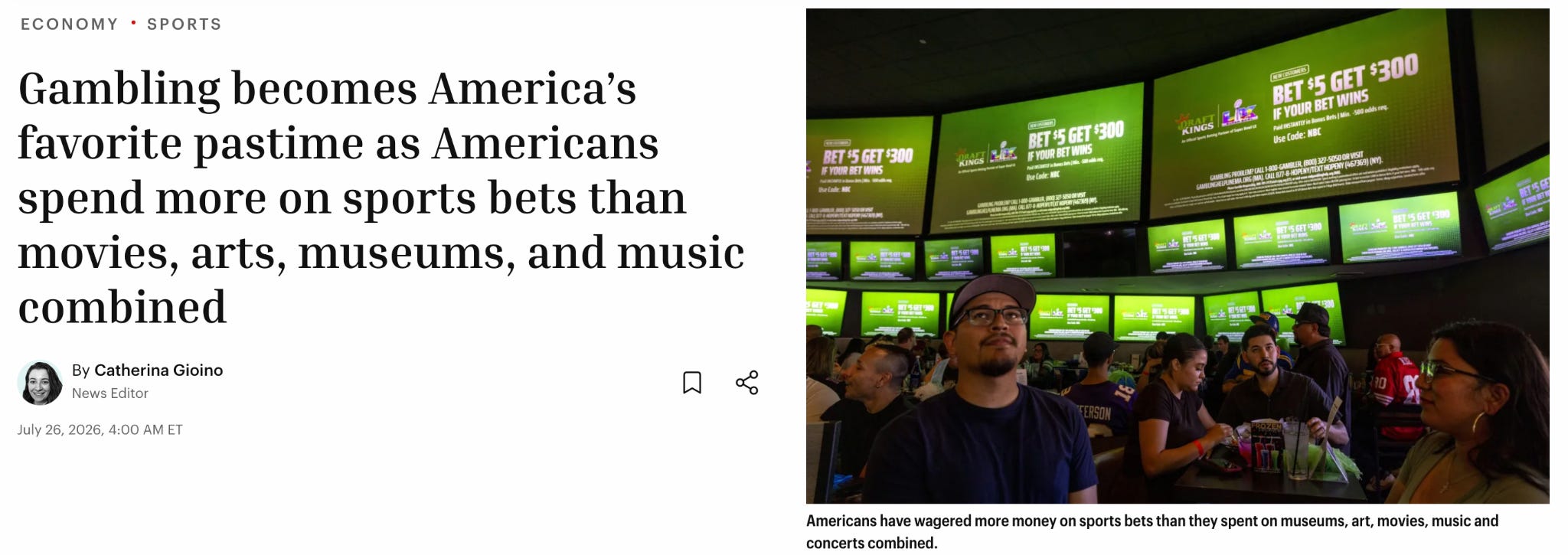
Which connects to the “gambling is the new American pastime” article. If we’re spending more money on gambling than culture itself, then we’re pretty firmly in a gambling culture, which means gambling is a part of business culture.
Now I don’t mean to complain about the free drinks and good parking, but does it bother anyone else that markets seem to operate like casinos, and that most of the action seems to be extracted from statistically ignorant gamblers, eg. me & you & everyone?
Maybe I’m wrong. Maybe it’s easier to place bets instead of making hard choices or dealing with bad luck? Maybe we want to take it all to a casino?
Maybe our desire to feel like we’re the rare few who might win, cognitively prevents us from realizing we’re almost always going to be just one of the many who entered?
Or maybe I’m just a loser who hates winners and I’ve got a tiny axe to grind?
Could be, but if you’ve done the research I have, or just click through and read all these citations coming at you, I seriously doubt that take holds…
From Playing The Game to Gaming The System
I’ve written about how digital advertising is a casino pretending to be a supermarket, I’ve compared horseracing metaphors to marketing, detailed how fraud has become the foundation for digital marketing, talked about malicious compliance and ethical drift, and provided insight into behavioral finance, AI, and the casino logic of modern technology—where engagement is currency, risk is retail, and guess what…the house always wins.

But increasingly, a growing stack of settlements, cases, and legal records is starting to look like a volcanic mountain of supporting evidence for serious losses amidst the house’s take.
Google has been found to have illegally monopolized key parts of the ad-tech auction system; Meta has faced litigation and paid $40m in settlements over inflated (+80%) reach and video metrics; LinkedIn settled claims ($6.6m) over inaccurate advertising metrics; Lane’s Gifts exposed click fraud and secured a $90m settlement from Google; Uber’s litigation exposed fraudulent attribution; and most recently Phia, co-founded by Bill Gates’s daughter Phoebe Gates, has faced allegations of cookie stuffing—claiming credit for sales it didn’t generate.
The gambling logic extends beyond advertising into behavioral engineering: a 2026 jury found Meta negligent over addictive product design that harmed a young user, while 29 states are pursuing $200b in damages from Meta over already proven allegations that it deliberately engineered Facebook and Instagram to addict children.
A bunch of different cases, same gambly pattern & odds-based architecture: the house controls the market, establishes an unrealizable floor and an infinite ceiling, measures the outcomes, claims the wins and pays off losses, intentionally designs the machine to keep players playing, and before anyone finds out the deck is stacked (and even after settling in court), the house has already taken its cut.
And the casino parking lots remain full of agencies, brands, and sure, scam artists, but it’s all good when information/data/news of “big winners” is constantly flowing through the gaming floor.

Back in December, I asked this question, “What would it take to convince any fence sitters, that the majority of the digital advertising eco-system operates behind a casino-like veil where advertisers see flashing dashboards while criminals and platforms quietly harvest the proceeds?
What could be said to get us to snap out of the fever-dream fantasy that we’re in a rational marketplace, when the reality is we’re gambling CLIENT MONEY at tables where the house dictates the real winners, the metrics and cards we’re dealt are fuzzy, and more than half the other players aren’t even human?
And I think I’m closer to an answer, or at least better questions.
The problem isn’t necessarily the casino or the gamblers, but where we source our conception of the stakes and odds, the information layer underneath it all.
It’s the grapevines, stupid.
From The Grapevine to The Fakevine
The grapevine is another term for the rumor mill. Through gossip, chatter, and hearsay, information gets passed from one source to another and after a while there is a general, consensus based truth-like juice that socially drips from the network.
So the gambler’s paradox of the grapevine is that it is not to be trusted, but there is truth to it.
Many data points have gone in, but only a few bits of information ever make it out.
The real manipulative art of the grapevine doesn’t really concern the grapes or vines but manufacturing the appearance of grapevines. Which kinda describes the internet.
Don’t believe everything you see on the internet + The internet is the future
As I was working up this essay, I saw two additional headlines that secure this gambling grapevine connection with the ad industry stories above;
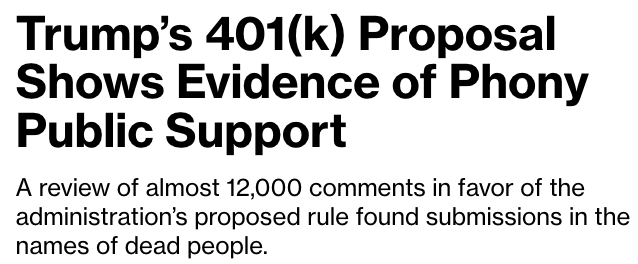
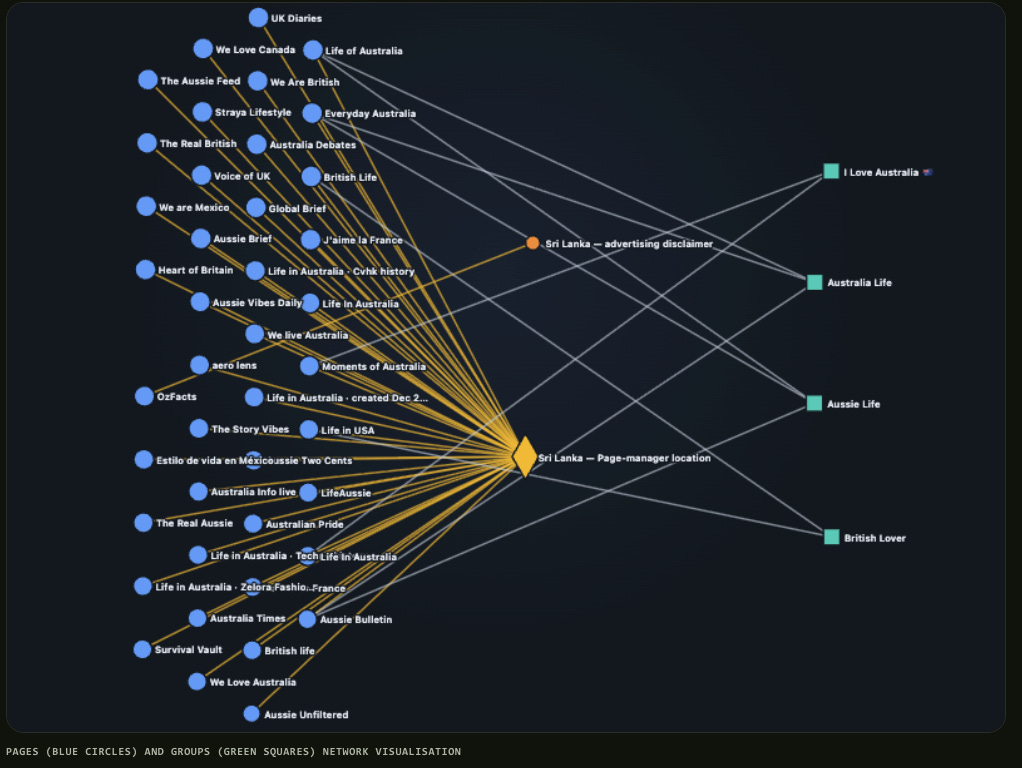
Trump admin faking social support for their policies (even using dead Americans), and the journalistic exposure of a social media network of +800k local political Facebook groups in the UK, US, and Aus taking millions in ad revenue, all deeply involved in divisive politics and…operated out of Sri Lanka.
I won’t go into the Cambridge Analytica scandal, that Ad fraud is on track to make somewhere between $50-140billion this year, potentially peaking to $172b in 2028, and is the second highest source of criminal income after drug trafficking, the Dead Internet Theory, the wallets on Polymarket International trading on inside U.S. military information, the rampant digital ad impression fraud, Meta consistently lying about DAU/MAU numbers that overblow stats past census data since 2012, or the many, many, many lawsuits for inflated user bases and astorturfed reviews.
The only reason I’d do that, is to point out that all of these increasing concerns are not about exceptions taking place, but proof that intangible rules are being adhered to.
One of those rules is – control the narrative. Manage the grapevine, or grow it.
From Grapes to Grape Flavored
Grapevine perception management has seemingly become one of the most important “skills” to control in marketing of all ilks. The ability to fake it, is now rewarded in the marketplace as having made it. Manipulating the grapevine is so essential to modern digital marketing success and has become so frothy, that it’s even caught the attention of the Feds.
The FTC has effectively recognized the grapevine problem in regulation. Its Consumer Reviews and Testimonials Rule, effective October 2024, makes it unlawful to buy or sell fake reviews and, critically, to buy or sell fake indicators of social-media influence—such as followers, views, likes, subscribers, shares, or other engagement generated by bots or accounts that do not represent real individuals—when used to misrepresent commercial influence.

We’ve built an economy willing to pay for the appearance of human activity (which is against the law), whether or not there are actual humans (which is fraud, also illegal), or actual value (which isn’t economically viable), underneath it (we can’t check under any algorithmic hood).
Once evidence of human activity becomes the thing we reward, people discover ways of producing the evidence without producing the underlying reality.
An impression worth money creates an incentive for fake impressions. A follower worth money creates an incentive for fake followers. A stream worth money creates an incentive for fake streams. A comment worth political influence creates an incentive for fake comments.
In a very real way, all of this is built off grapevines, off hearsay, off “doing the research.” Online sleuthing (like I’ve done right here) allows us an easy way into the vines, but not a clear path out.
In a shameful admission, I think what I’ve provided here could be perceived as MORE GRAPEVINES.
Which makes me think, maybe the grapevines aren’t “out there” but we live amongst them and create them from our own soil. There isn’t one grapevine but many, and some are 100% fake, most are definitely imagined, but they have real value and leave tangible effects.
The dead internet theory means there’s a grapevine strangling online society. We know there’s a grapevine of adfraud. We pay to access the supposed grapevine of influencers. We wager money on the grapevines of Polymarket or Kalshi. There’s a grapevine of financial information and economic theory that underpins our markets.
And if the grapevine is a commodity-based business model, that means we need more grapes plucked earlier, so there can be no institutional, vintage, legacy vines anymore for the public but only for the very private few, which is too many sour grapes to consider at once. [Read Eaon Pritchard’s “Chairman of The Bored” for a dive into this concept]
Layers of vines, tangles of grapes, barrels of hooch, orchards of horsehit.
There’s no grapevines kids; it’s a vineyard, and we’re here to work whatever into wine.
So get to stomping!

From The Gift Horse’s Mouth to Confronting Sour Grapes
Back to Marvin.
The ultimate point of “I Heard It Through The Grapevine” is not an expose on the rumor mill, like I thought in my 8-year old mind, but the unmet desire for confirmation of reality from a singular, trusted source.
People say believe half of what you see
Son, and none of what you hear
But I can’t help being confused
If it’s true, please tell me, dear
[Pre-Chorus]
Do you plan to let me go?
For the other guy you loved before?
Marvin is trying to verify reality, he’s not aiming to mistake the grapevine for reality, but without confirmation, without hearing it from the horse’s mouth as it were, instead he hears it through the grapevine.
The real missing piece in the grapevine dumpster fire is confrontation. And the accelerant is both the avoidance of looking in a gift horse’s mouth, and the acceptance of the sour grapes it’s chewing on.
People who accept that we live in a post-truth multiverse, where each person is a captain of their own reality, have given themselves up to the soured grapevine.
And if you really grokked everything I shared above, it’s easy to see why.
But we’re not done just yet…
From Helpless to Hopeful
I’m writing about this stuff because it’s something marketers actually can fix, and we don’t need a huge revolution to do it. What we need is a spirit for conflict & confrontation.
Not confrontation or conflict in a combative sense, but in the spirit of sensemaking: turning toward something and facing it. Asking the person. Rubbing up against reality. Checking the source. Looking under the hood. Questioning the KPI or metric. Having someone explain how they know what they say they know. Checking to see if you know what you say you know. Being open to being wrong. Being curious about what’s true. Developing an opinion on marketing that isn’t “make the number go up.”
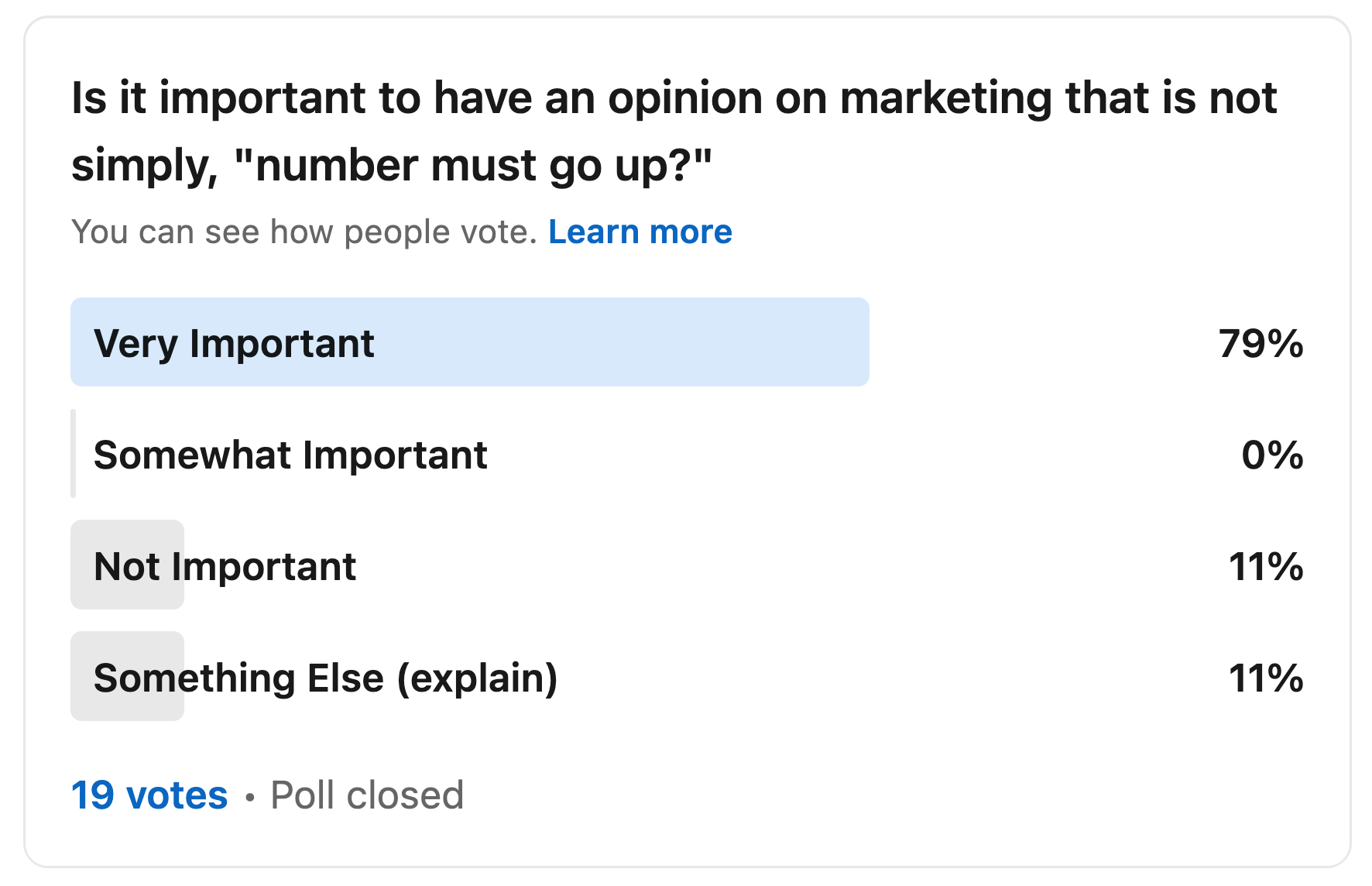
In short, the on-going mission is confronting the grapevines.
With confrontation comes the soft-skilled friction between information and opinions, and with that accountability, and then individuals have the confidence to speak up before things get twisted into grape jelly, and then culture gets a hold of information, then knowledge, then wisdom.
So what does this look like in practice? Here are seven things you can do right now:
Measure the gap.
The Marketing Accountability Council built TrustGap to help people examine the distance between what companies say and what the evidence supports. That basic exercise can be applied almost anywhere in marketing: put the claim on one side, the available evidence on the other, and look directly at the space between them.
Trace metrics back to something real.
When a dashboard says performance improved (or didn’t), keep asking questions. What improved? According to whom? Based on what measurement? Did customers buy more, stay longer, recommend you, remember you, or behave differently? The closer you can get to an observable outcome or a real meaty question, the fewer vines you have to swing through.
Triangulate instead of accumulate.
Ten sources repeating the same claim might not be an insight. Find genuinely independent ways of parsing signal from noise and weave them together: quantitative and qualitative research, customer conversations and behavioral data, platform metrics and financial outcomes. More information doesn’t necessarily provide more confirmation.
Follow the incentive.
Ask who benefits from the metric, methodology or conclusion being true. Should the platform selling impressions be the authority on whether those impressions worked? Is there a hidden incentive in one department that isn’t known but guides attribution decisions? If the attribution model hasn’t changed in years, don’t follow it, but ask why?
Humans are the loop.
Talk to customers on the phone. Talk to sales. Talk to the people doing the work. Look at complaints. Read the weird comments. Ask somebody what happened before asking a machine to summarize what happened. Ask someone to review what a machine summarized. The messiness of human testimony isn’t a flaw, but the required friction that reveals what clean datasets can conceal.
Write down what you don’t know.
A healthy marketing organization should be able to distinguish we know, we think, the data suggests, and we have no f***ing idea. Those are four very different states of knowledge, and pretending otherwise is how another grapevine gets planted.
Stop the blame and shame.
The grapevine distorts accountability as well as information. Blame and shame collect wherever marketers and businesses cling to the illusion of control, treating probabilistic systems as predictable and then holding people responsible when reality fails to match what the grapevine promised. The work gets better when the blame-and-shame train stops and grounded sensemaking replaces senseless flagellation.
None of these suggestions require us burning down digital marketing, abandoning data, smashing the dashboards, or waiting for regulators to save the day. This advice requires something considerably less dramatic but more taxing – refusing to outsource judgment.

The internet will remain a grapevine, marketing too, and AI is already growing some spectacular new vines of its own.
Our job isn’t to tend to the vineyards.
Our task is to hone the ability to realize when we’re strangled and tangled, find out where the vine meets the wine, separate the squeeze from the juice, the proof from the truth, and have the spine to admit when we’re backing into a reality of rumors, and the temerity to push through and confront reality.