Artificial Instinct: Inside the Philosophical Guts of AI

A stomping romp through Henri Bergson’s “Creative Evolution” and how the seminal work of philosophy from 1907 has bearing on AI and the concept of Artificial Instinct.  

“An intelligent being bears within himself the means to transcend his own nature…he transcends himself, however, less than he wishes, less also than he imagines himself to do.”
– Henri Bergson, “Creative Evolution”, 1907


It appears the gen pop is ready for the philosophical conversation around AI. But which part?

Ever since ChatGPT came on the scene, we’ve been treated with philosophical-ish headlines and prognostications from these companies that conscious AGI is months, years away, or actually here or they can’t even tell. 

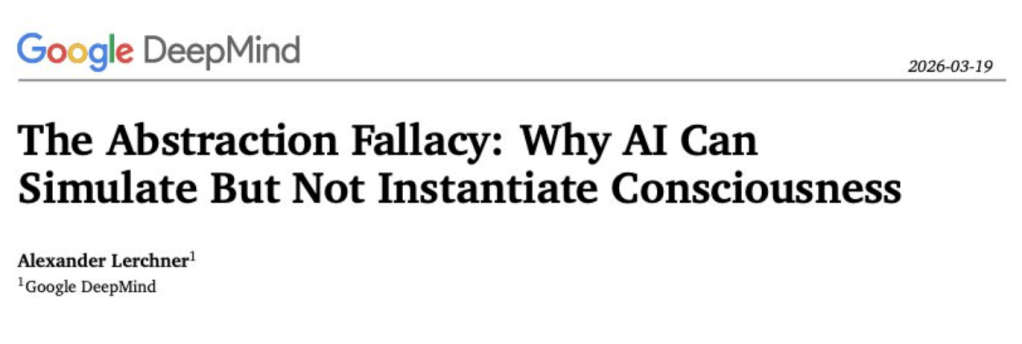
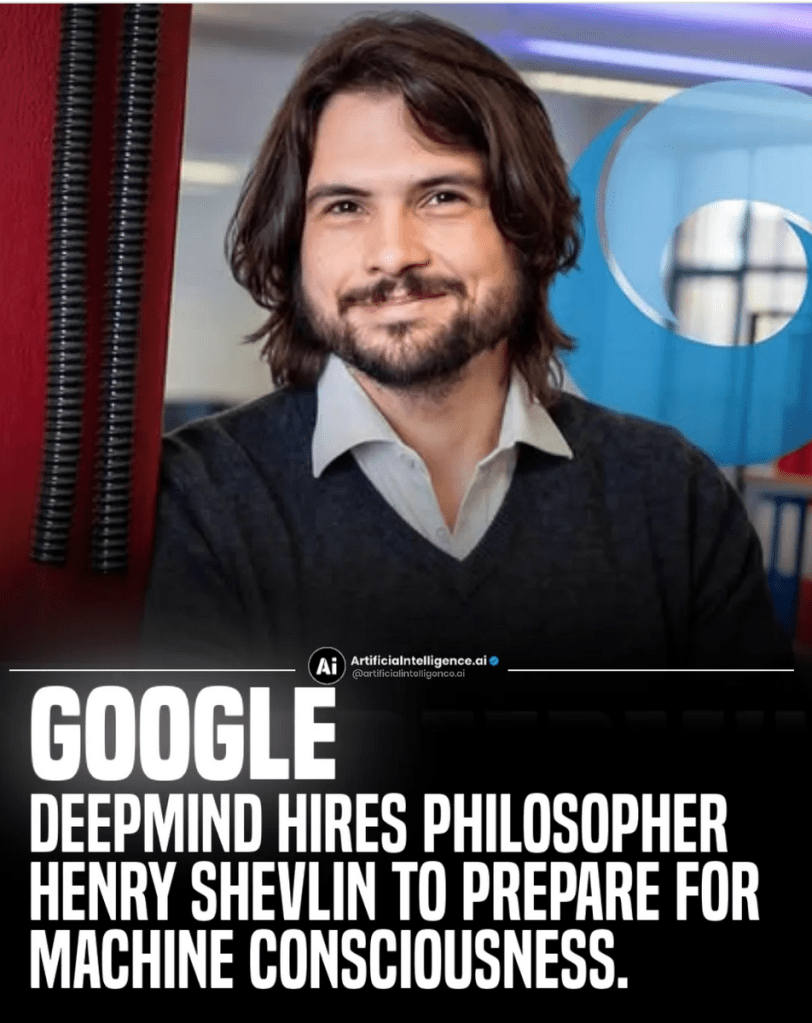
In March, Google DeepMind published this definitive-sounding headline…

So, if AI cannot instantiate consciousness, why then make a big show about hiring a philosopher in May to prepare for…machine consciousness?  

If this kind of whiplash is accepted as normal in a conversation about AI and philosophy (it is), what kind of philosophy and intelligence are we REALLY talking about, and is it those things?

After spending the weekend reading Henri Bergson’s 1907 work “Creative Evolution,” it could be that the philosophical misapplication and adoption failures in AI so far, could be centered between INSTINCT and INTELLIGENCE, and more largely, an error in the base operating system of the the current computational consciousness philosophy that underpins AI today. 

The way AI has been philosophically sold versus the way it’s shown up, are two different things. 

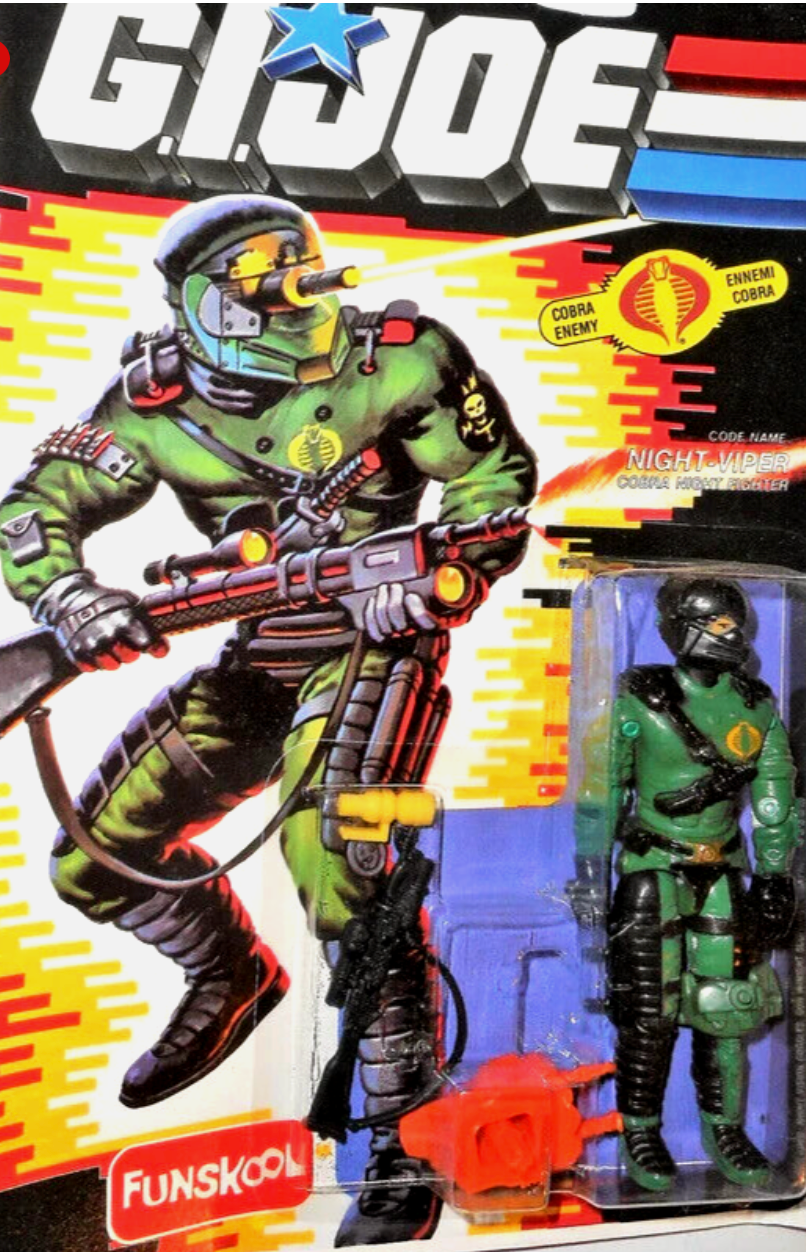
Because it’s seeming as if AI is led by instinct instead of operating via intelligence. 

AI with ads, AI with social, AI and work product, AI and (INSERT ANY INDUSTRY OR TIRED ASS BUSINESS MODEL HERE) – this technology has been instinctually applied to “as-is” material, organized structures like a barnacle, not intelligently designed around, what Bergson characterizes as, “what if” deliberations, the purely-human ability to build from unorganized, even 100% hypothetical strictures. 

I think it’s great we’re talking about philosophy and formalized/higher order intelligence, but let’s bring in some Bergson, talk about the material base, the instinct, and why it should be just as prominent on the evaluation table, lest we go off into freudian or cartesian abstractions that could end up with a more virulent, metaphysical strain of anthropomorphism around AI

THESIS: The current epoch of AI is running off a philosophy of material instinct, not formal intelligence.  

To frame that AI is running on a philosophy of guts, we’ll first stop at everyone’s favorite philosophical question, “what is consciousness?”  

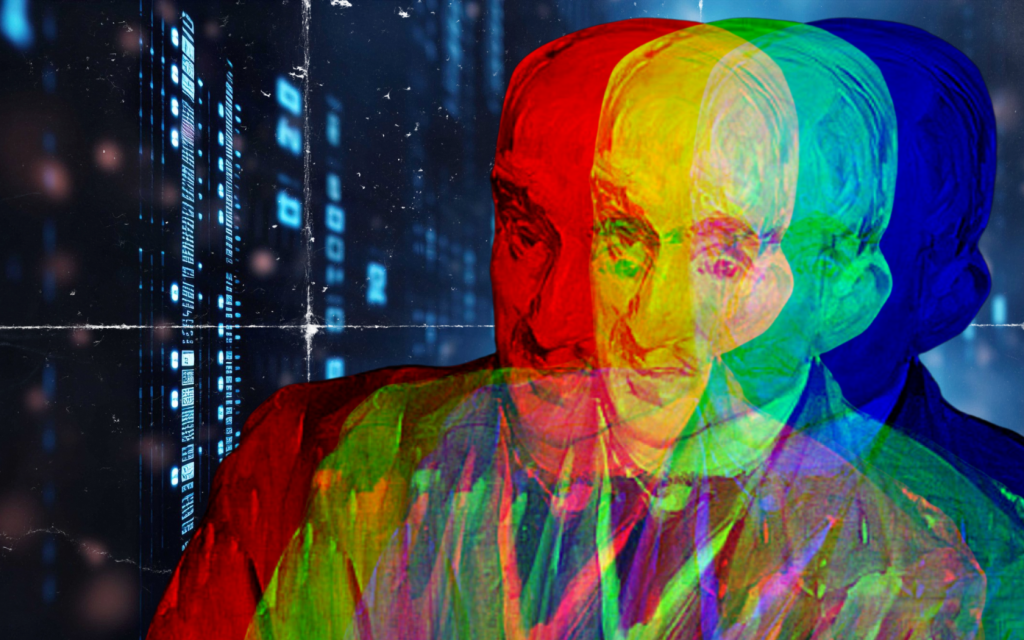
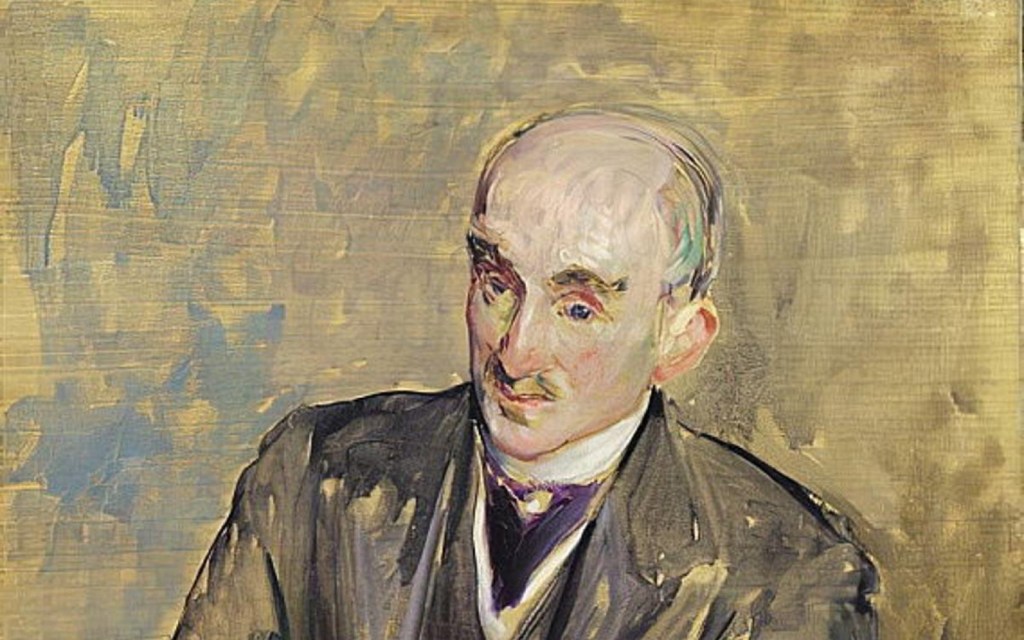
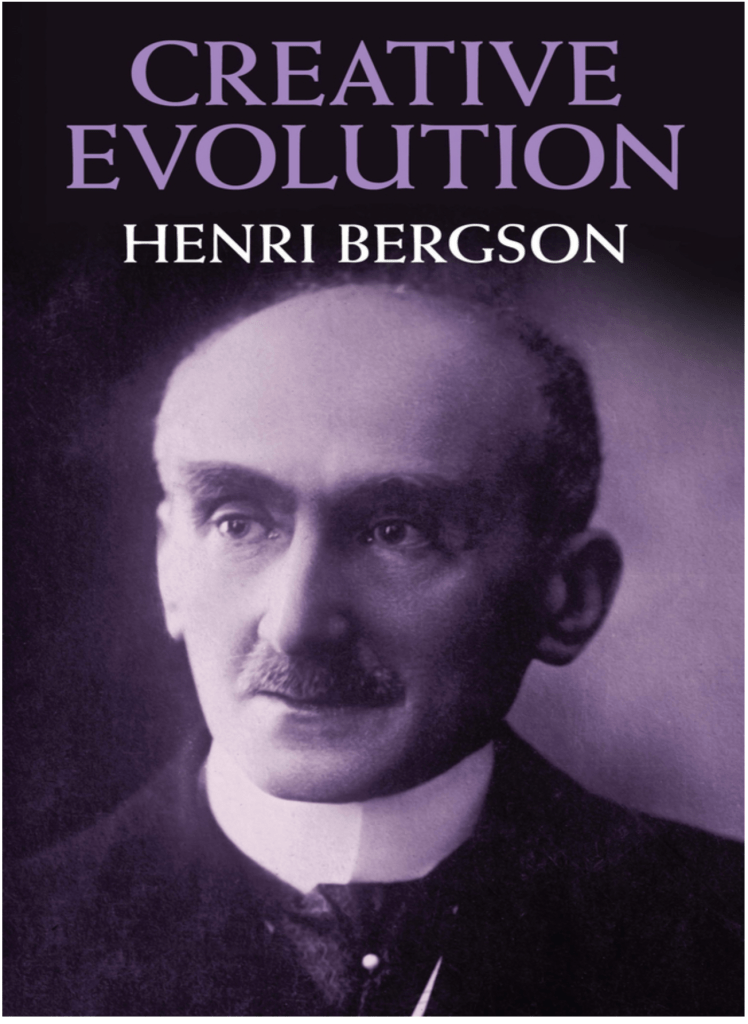
Henri Bergson, chilling here, possibly after just crushing a bunch of philosophy, biology, and evolution up and freebasing that shit.  

On the Crux of Consciousness

Before we go off on intelligence and instinct, which are wrongly depicted as two always-possible, and always-separate binary pathways, we have to address the field these choices seem to emanate from; consciousness. For this, we bring Bergson into the scene; he’s got the definition of consciousness right here if you want it —

“…consciousness is the light that plays around the zone of possible actions or potential activity which surrounds the action really performed by the living being. It signifies hesitation or choice. Where many equally possible actions are indicated without there being any real action (as in a deliberation that has to come to an end), consciousness is intense. Where the action performed is the only action possible (as in activity of the somnambulistic kind), consciousness is reduced to nothing….From this point of view, the consciousness of a living being may be defined as a…difference between potential and real activity.”

Bergson is so artful in this book I could spend days breaking down each of these sentences, the way he describes life as a collection of tendencies rather than a grouping of things, and here he metaphorically sketches out consciousness as “light” in a zone of potential. And, the levels or degrees and dimness of conscious “light” applied to instinct and intelligence, are worth noting.

 “Intelligence and instinct both involve knowledge,” explains Bergson. “..acted on unconsciously in instinct, thought of and conscious in the case of intelligence.

“Where consciousness appears, it does not so much light up the instinct itself as the thwartings to which instinct is subject; it is the deficit of instinct, the distance, between the act and the idea, that becomes consciousness. Essentially, consciousness only emphasizes the starting-point of instinct, the point as which the whole series of automatic movements is released. Deficit, on the contrary, is the normal state of intelligence. Laboring under difficulties is its very essence. It’s original function being to construct unorganized instruments, it must, in spite of numberless difficulties, choose for this work the place and the time, the form and the matter. And it can never satisfy itself entirely, because every new satisfaction creates new needs.”

If we take Bergson’s definition here, we can see the differences between instinct and intelligence are obvious, as is their connection through consciousness. But to figure out if AI is running on instinct and not accessing new means of intelligence, we have to first break up the binary and then add one more layer; instrumentation.

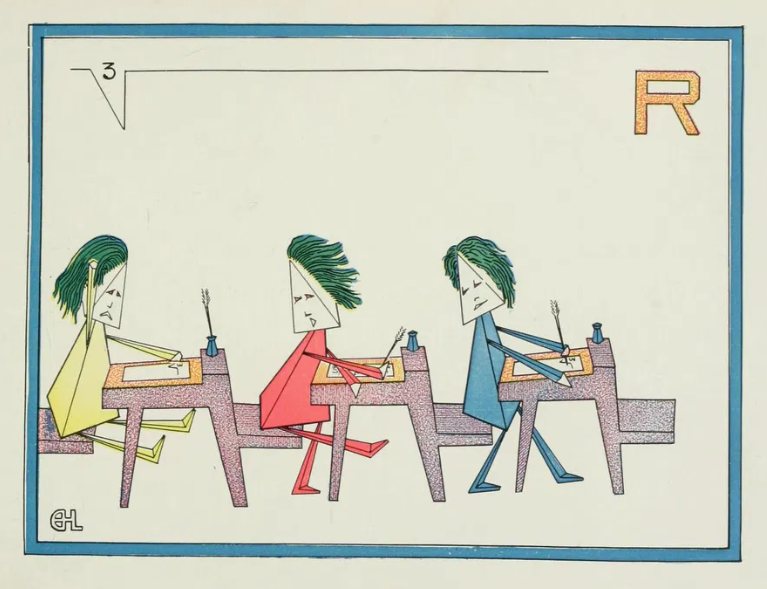
The triangle, my favorite instrument.

Intelligence, Instinct, and Instruments

“Instinct and intelligence…represent two divergent solutions, equally fitting, of one and the same problem….(they) imply two radically different kinds of knowledge.”
It’s important to not get drawn into binary oppositions ourselves, so this isn’t about instinct VS intelligence, but about how they operate in human decisions based on contextual situations, and for my thesis, how we may have potentially strapped AI and machine learning to the wrong ‘i’

Bergson explains that the impelling, evolutionary force (his ‘elan vital’) behind higher-order lifeforms brings instrumentalization to the stage differently. Plants ingest carbon and nitrogen instinctually, animals intelligently (but also instinctually) eat plants because they can’t capture carbon and nitrogen directly. 

Ants use the sand intelligently but don’t create sand, and monkeys use tools to dig and this is instinctual, the materials required were available. Where intelligence comes in, says Bergson, is when instruments are compiled from unorganized points and disparate connections. 

“Instinct perfected is a faculty of using and even constructing organized instruments; intelligence perfects is the faculty of making and using unorganized instruments.” 

Again, reading this sentence, I was forced to question if AI is currently on an instinctual path, rather than an intelligent journey? Ask the AI philosophers, and it’s both!! Lucky ducks! 

Knowing what I know from actual research on AI maturity in marketing and conducting interviews with practitioners and experts at the highest levels of data management around the instrumentalization of AI; it turns out a big problem with a highly organized, instinctual instrument like AI, is taking place at the moments when it meets the highly unorganized, not-as-intellignet-as-we’d-like humans. Me, and you. Ok, not you, but definitely me.

Maybe we’re using tech based on guts and pure instinct, because it’s something we all seem to have a ton of, instead of brains and intelligence, something we feel we can’t ever get enough of?  

And, viewed as an economic metaphor, if Bergson’s idea of “conscious deficit” being the natural state of intelligence, and instinct is freely applied without paying a single conscious brain cell, then it’s easy to admit that instinct seems to have a higher valuation than intelligence, based on raw data. Instinct doesn’t deplete us as fast as intelligence will. 

AI succeeds as “instinct tech” partly because it avoids deficits and matches human tendencies, not because it transcends them.

That’s because…one more layer…. 

Instinct is Subject to Matter, Intelligence Deals with Forms  

The following passage slapped me in the face with the AI as Artificial Instinct VS Artifical Intelligence framing, tell me if you catch it too….

“Instinct finds the appropriate instrument at hand: this instrument, which makes and repairs itself, which presents, like all the works of nature, an infinite complexity of detail combined with a marvelous simplicity of function, does at once, when required, what it is called upon to do, without difficulty and with a perfection that is often wonderful. (If you stop here, he could be describing AI, kinda) In return it retains an almost invariable structure, since a modification of it involves a modification of the species.” (damn…) 

The instrument constructed intelligently, on the contrary, is an imperfect instrument. It costs an effort. It is generally troublesome to handle. (Shit, kinda sound like AI too!?) But, as it is made of unorganized matter, (Ok, not like AI…) it can take any form whatsoever, serve any purpose. (So, AI then?) Whilst it is inferior to the natural instrument for the satisfaction of immediate wants, its advantage over it is the greater, the less urgent the need.” (time is the OG non-renewable resource…)

A philosophy based on computation believes that every, single, thing can be broken down into material parts, which is partially true. But computational philosophy, excuses itself from the human philosophical questions we have to ALWAYS engage with, one where instinct AND intelligence AND life play a part.

The real, material world, filled with instinctual matter experienced in real time, is the one we live, dream, and intelligently formulate schemes in. Based on Bergson’s thermodynamic rules about his elan vital, the immanent force of life animating it from underneath, the inescapable truth is that it is never unlimited. 

Limits exist in real life, pathways have to be chosen, both you and an amoeba can’t go in several directions at once, we always must choose. And it seems like it’s between instinct and intelligence but Bergson explains, it’s actually a matter of degree and direction, rather than kind. 

“..the choice between two modes of acting on the material world: either effect this action directly by creating an organized instrument to work with; or else it (the immanent force) can effect it indirectly through an organism which, instead of possessing the required instrument naturally, will itself construct it by fashioning inorganic matter…Instinct and intelligence…never entirely separate from each other.” 

UPDATED THESIS: The current epoch of AI is running, indirectly, off a philosophy of  material instinct, perceived directly as an act of formal, post-human intelligence.

I’m not satisfied, because where is consciousness and humans in this thesis? Who is running what, exactly? Did we think about this before right now? Where are the adults in the room?  

AI Philosophy Isn’t Even Supposed to Be For Humans

The modern philosophy behind AI, which is that consciousness does not require biology and can be purely computational, is at its core, based on a hard line separating the main substrate of intelligent consciousness on the planet – humans – from “intelligence” as AI defines it. Who defines that definition, we can only guess, because it’s not about us.

If you think AI philosophy is supposed to operate like human philosophy, you are wrong. From the Wiki:

“AI philosophy is distinct from human philosophy because it operates through computation, simulation, and pattern recognition rather than subjective experience, consciousness, or lived understanding.”

Well, well, well – you see how this binary drawn up here is bullshit if we believe what Bergson just told us. 

This definition of “AI philosophy” positions as instinctual, separate from humans on purpose and based off the organized instrumentation of materials on hand and computational pattern recognition. Computational philosophy is almost discursive of the “deficit of intelligence” that Bergson mentions, that hesitation light in actual consciousness that sees forms in unorganized matter; that’s something else. Not “AI” philosophy.

But who’s philosophy is it then, and why does it need us to think about it, for it? 

What does both your instinct and intelligence tell you? 

UPDATED-BLOATED THESIS: An experiential-denying philosophy, based off computational material instinct, directly underpins the cultural zeitgeist that defines the current epoch of AI, being a technopolistic culture that indirectly prevents humans from accessing the formalization of new types of intelligence. Intelligence that transcends, and doesn’t instinctively get trapped, enamored, or disgusted by our nature. 

Is AI Actually Artificial Instinct?

Maybe AI is better understood as artificial instinct, not artificial intelligence. It explains why AI is fast, reactive, and fluent. Why it attaches to systems quickly but struggles in redesigning them. It explains why AI feels coherent and effortless. Explains why actual intelligence is seemingly harder to come by these days. 

And, it exposes an interesting fact as to why there is a rush to parade a “real philosopher” around AI company headquarters; it isn’t because the tech is finally at a level where we require real philosophy, it’s an admission from these AI companies that there wasn’t any human philosophy, or philosophers, in AI to begin with.  

It doesn’t take a philosophy degree to wonder if what we are calling intelligence may simply be artificial instinct operating at a scale we can’t discern. And, maybe the reason we haven’t decided yet if we know the difference between Artificial Instinct and Artificial Intelligence, is because we’re consciously choosing, or been programmed to self-select, philosophical unconsciousness. 

Problem there is, how do you wake up if you don’t know you’re asleep?

FINAL THESIS (more of an opinion, ah who cares!?): Currently, AI is building off a post-humanist philosophy of computational instinct that socio-structurally cannot produce the kind of human-level intelligence it claims to approximate. 

But that won’t stop us from trying. Meanwhile, read some Henri Bergson.  

From P2(shining)P: Society on The Peer Oriented Express

If children raised by peers struggle to mature, what happens when entire societies do the same? This essay explores how a modern culture driven by trends, feeds, and lateral validation, may be arrested in an underdeveloped loop of perpetual adolescence. Is there an adult in the house?

There’s a lot of anxiety and fear in the laypeople and unaccountable fuzziness in leadership lately. It feels like the buck won’t stop. It feels like the adults aren’t in the room.

In a sea of ceaseless change, a lot of companies have stopped planning altogether, cancelling forecasts, freezing into a crouching stance, anchoring close to shore. It feels like the maps are no good, the compasses shot, the blind rowing the blind. It feels like lemmings at a cliff-side casino might be in charge. It feels like we’ve been waiting for “the adults” to enter the room for decades.

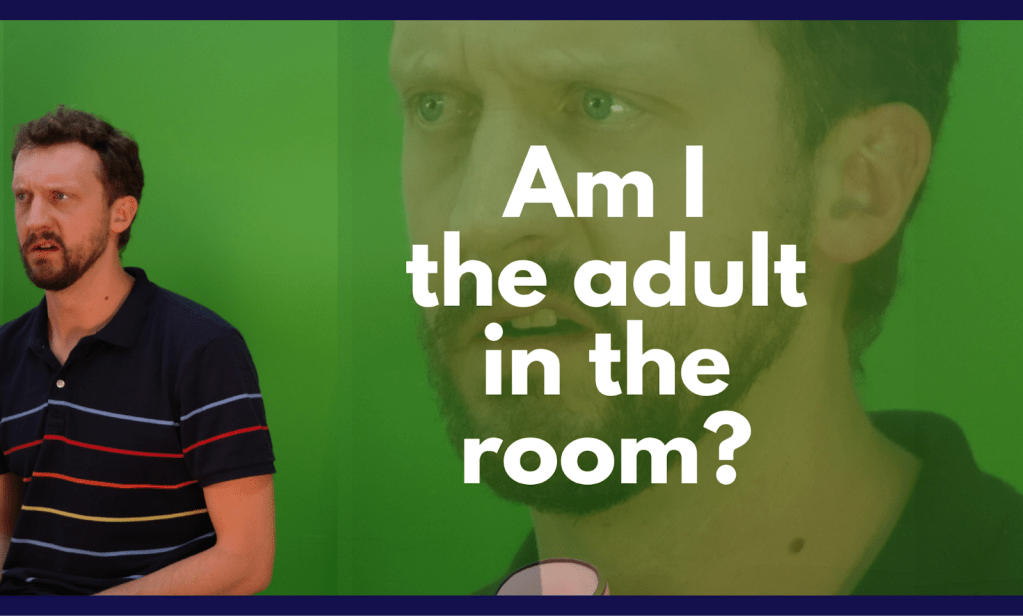
But as a 44 year old father of four, salt and pepper in the beard, I’m compelled to wonder; am I one of the adults I’ve been waiting for? Not only am I asking if I’m the man in the mirror, I’m wondering…

Clearly, for my roles and responsibilities as a taxpaying citizen that seeks to increase shareholder value, but most importantly for my kids, I am that guy. 

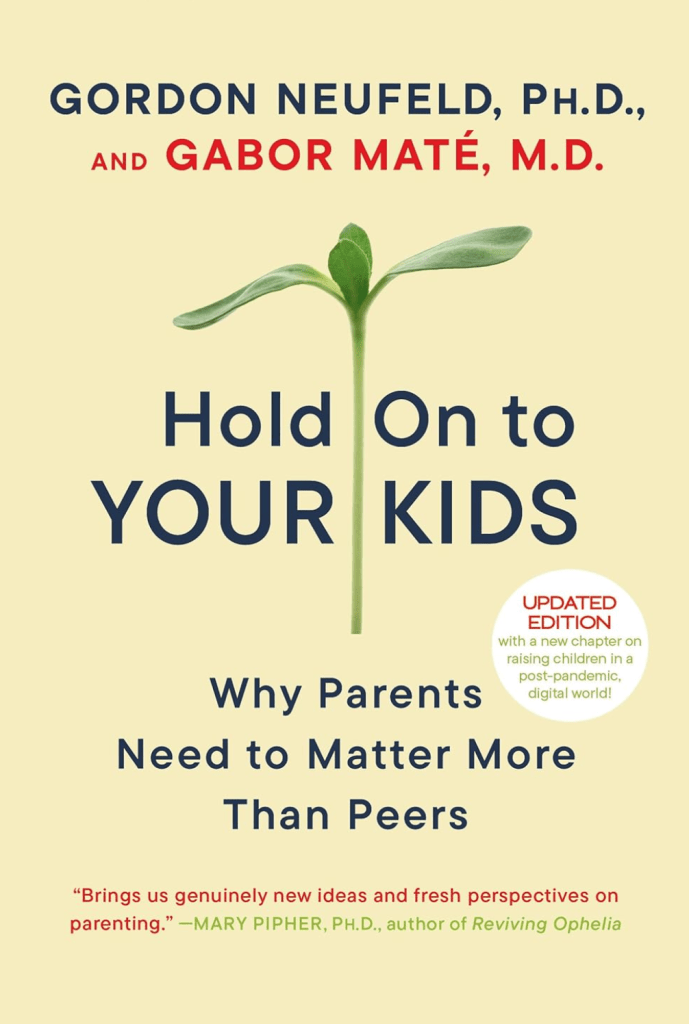
So I read books about parenting, and the most recent, “Hold Onto Your Kids” by Neufeld & Mate, sparked a connection with the “adult in the room” problem. Read this description, and tell me if a bell doesn’t start ringing;

“Children take their lead from their friends: Being “cool” matters more than anything else. Shaping values, identity, and codes of behavior, peer groups are often far more influential than parents. But this situation is far from natural, and it can be dangerous—it undermines family cohesion, interferes with healthy development, and fosters a hostile youth culture. Children end up becoming conformist, anxious, and alienated.” 

If you switch out the parent/child/family phrasing here with society/citizen/democracy or business/employee/bureaucracy, a Freudian slip of inquiry unveils; might the problems in the adult world be linked to upbringing? Unresolved attachments with parental and nurturing forces? 

If the adults of our generation aren’t showing up in the present rooms of today, what might that signify about the historical development and rearing of our youngest citizens? Who was tending to that? Did they make sure to turn the kids into functioning adults? 

Did we remember to mature and age ourselves properly? How do we check?

There’s a particular concept from the parenting research in “Hold Onto Your Kids” that may help color-in the uncertainty, imbalance, lack of adults-in-rooms we feel; peer orientation. 

What is Peer Orientation?    

The authors Neufeld, a psychologist, and Mate, a researcher working with addiction and rehab, took their combined expertise from working in correctional settings with the violent extremes of peer oriented youth – those in gangs, the foster system, or endlessly in and out of treatment facilities – and applied it to understanding parenting, kids, and how culture is formed.

One of the themes of the book is maturation, what it means to break through adolescence into mature adulthood. 

Adults don’t come out of the ground like orcs, catalyze at a specific age, or become actualized after a set of experiences.  An “adult in the room” is forged from an attachment in pre-adolescent childhood to reliable post-adolescent/mature adults and institutions grounded in a shared semblance of social fabric.

Kids securely attached to this fabric, raised by and anchored to family, culture, and traditions, end up much more well-adjusted, flexible, and resilient. Able to resist social pressures and keep a sense of themselves in a crowd, these “lil adults in the room” are capable of facing and overcoming futility and finding their own way through chaos with confidence. 

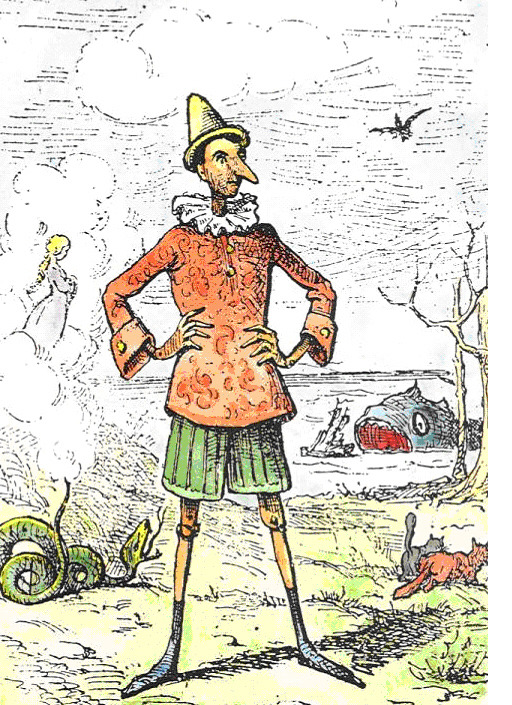
Kids who experience a prolonged detachment from this fabric are vulnerable, get lost and end up guided, misshapen, and parented by their inexperienced, immature, and equally clueless peers. The results of being raised centrally through peer orientation are disastrous. It’s essentially Lord of The Flies territory, the Land of Toys in Pinocchio, or the Lost Boys in Neverland. Juvenile prison is a good example – if being around peers was beneficial, these facilities should be model citizen factories. 

Key Point: Peer orientation doesn’t produce independence, maturity or freedom, but imprisons behaviors, establishes a lasting immaturity and produces a profound dependence on equals. It’s frightfully mid. You’ve seen it. 

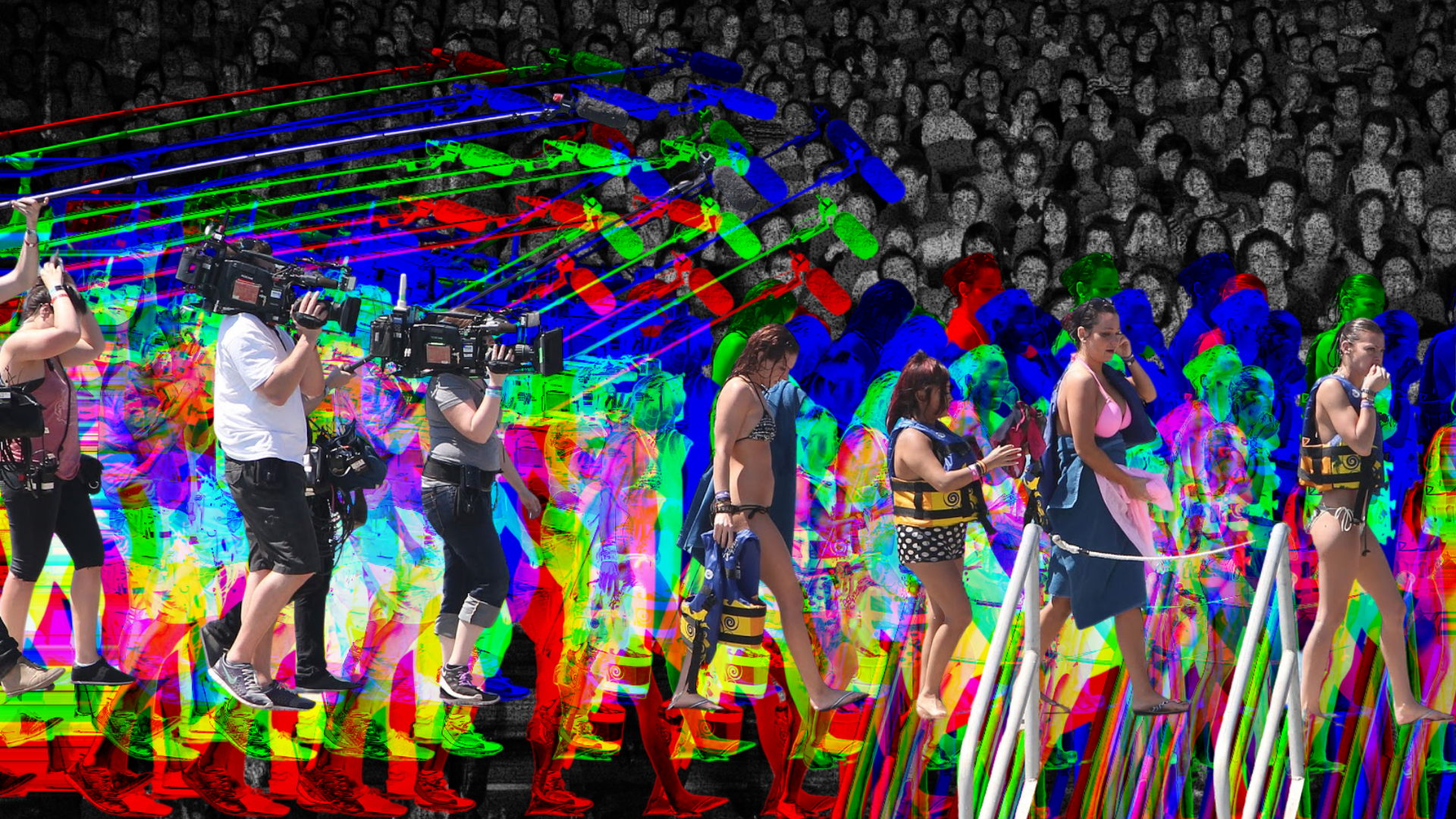
The richest man-child in the room, photographed here at an ad industry trade event, telling the crowd of grown folks to “go f**k themselves”

On The Perils of Peers and Culture

It’s an odd paradox for this American parent, once an American child, to reflect on the negativity of peer orientation, when I (an intellectual/hippie jazz musician/kid-at-heart) have been seemingly counter-culturally programmed to think the opposite. 

In the book, the authors rhetorically ask why one doesn’t see many third generation hippies, but does see continuity in more traditional environments? There’s no Moonbeam Peterson III.

If your orientation is entirely oppositional, defined by resisting or rejecting what came before, you risk leaving nothing behind. Counterculture has an important role, but if it becomes the only posture, it struggles to produce anything durable. Transmission of culture requires continuity. This isn’t to say tradition is always right, but it tends to produce structures that get handed down. 

If everything is framed as something to dismantle, there’s nothing left to pass on.

(For more on counterculture and stagnation and what to do about it, buy “Chairman of The Bored” by Eaon Pritchard, which dives smack into this.)

The plot of any coming of age movie in my pop culture past was usually something rhyming with “I don’t want to be like my parents” or a rejection of traditions. Screw you dad! Don’t trust anyone over thirty. Nickelodeon told us; Kids rule! Try to tell the lead singer of “Rage Against The Machine” what to do!

This makes sense in America with our well-marketed rebellious, defiant DNA, but in the book it’s shown to be anathema in almost every other civilized society with meaningful attachments between kids and adults to identity and culture.

A simple observation at social functions in mainstream America – we have separate lanes for kids and adults, tables, experiences – there is very little intergenerational mingling encouraged.

The book highlights examples from cultures across the world and throughout history showing that when generations intermingle and children and adults interact, these moments serve as orientation opportunities, mechanisms that attune maturation and, in turn, refine and evolve culture.

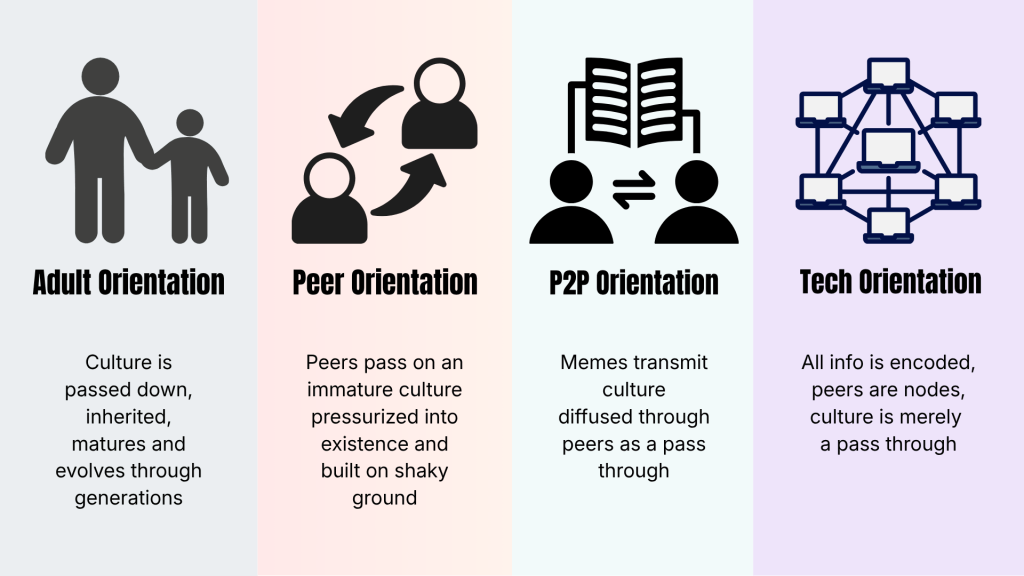
In places where intergenerational life is still intact, culture is shaped vertically. People spend time with those older than them, and over time they absorb ways of thinking, behaving, and judging that come from experience. There is a sense that some things are passed down, not just discovered in the present.

Where in our online life, does this kind of intergenerational commingling happen? It doesn’t, because peer orientation went digital with social, algos, and P2P.

When Peers Became Files

In the U.S. where peer relationships have a larger role, intergenerational structures have weakened. At the same time, the underlying technology of culture changed.

Peer-to-peer file sharing removed many of the intermediaries that once filtered and contextualized cultural material. Music, film, and media became directly exchangeable between individuals, without much sense of origin or hierarchy. What mattered was access and circulation, lineage or context became an artifact to dismiss. 

That same pattern extended into communication. Messaging and social platforms made peer interaction constant and primary. Cultural exposure became something shaped by horizontal networks rather than vertical transmission. This set the stage for memes as the main vehicle for evolution.

As peer orientation moved into digital systems, it also became more detached from place, age, and experience. The result was a targeted yet flatter cultural environment, where fewer signals point to what is more mature, established, or enduring, and more attention is given to what is current and widely shared.

As systems evolve into peer-based networks, identity formation follows suit, and like Neufeld & Mate have shown, when you’re orienting development to peers, you’re never anchoring to anything more mature than you. 

With peers being switched out for files, feeds, models, trends, and AI, the peer group has been replaced by aggregated outputs.

The Adults Are Here; But I Fear We’re All Peers, My Dear

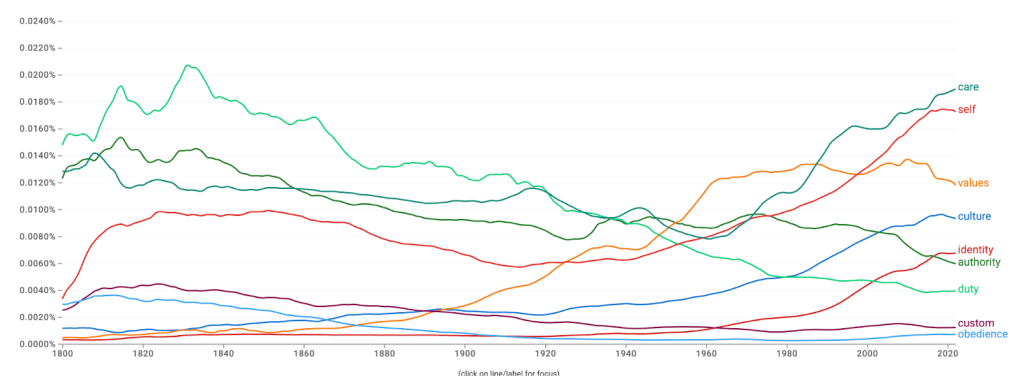
Take a look at this nGram (mentions of terms in printed books) view of these terms; “culture,identity,authority,values,duty,custom,obedience,self,care”

The historic traditional view, pre-1950s is generally – duty above all, then authority, care, then self. After 1960s, you see the rise of identity, culture, values, with care and self above all. Duty is in the dumps.

The declining words are about constraint and inheritance
The rising words are about self and relation to others

Painted with a broadbrush, these data points suggest that the books on the shelves for the adults in the modern room are all about self-care values in culture as attached to their identity. 

We are generations into a heat-seeking lock on peer-orientation as the main source of fuel for the global engine of culture/society. As our legacy institutions and cultural heritages are under attack, very few are looking to history or elders, or even their own judgment. Decisions feel less like willful choices and more like emergent emanations from the hive mind.

We’ve moved, one meme at a time, from a world traditionally oriented upward, to one oriented sideways, and increasingly, to machines trained on sideways data.

When everyone looks sideways, no one grows up. If there’s no one above us, and nothing before us, what exactly are we becoming? If everything we know comes from peers, and now from machines trained on peers, where would something truly new, or truly wise, even come from?

How To Steer Clear of The Peer; Want Better

“Where’d you get your information from, huh?
You think that you can front when revelation comes?”
– Beastie Boys, “Check Your Head”

For me, peer orientation opened up my eyes to a ton of behaviors and bullshit I’ve experienced and continue to see, things I evaded as a kid and teen and man, where I wondered looking at all these mediocre mFers; “is this how we’re behaving/dressing/acting/leading now?” 

Though I’ve been pressured by peers and caved, I’ve never felt strongly oriented to them, and this is because of my strong attachment to my wonderful parents, but also mentors. 

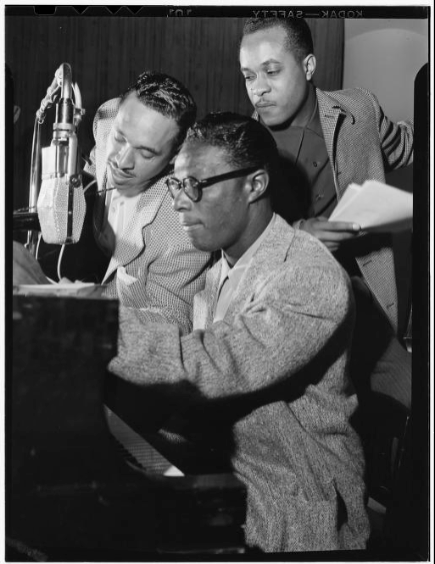
I can’t deny that, thanks to a lifetime pursuit of music, I’ve had strong mentors and adult orientation in my life. Not to name-drop, but Wynton Marsalis, Ron Miles, Big Daddy Kane, Shami and Rudy Royston, Jerry Bergonzi, Cindy Blackman, the legions of teachers, instructors, adjudicators, award panels – I’ve been taught and tutored by mature forces, all anchored to the legacy of music and performance.

I’ve also adopted a similar stance with marketing, choosing to learn from the mature voices in the room, diving into history books, and seeking out the established legacy truths, the heritages we might forget, the traditions we might need to build off, not blow up.

Whether mentors or peers provide guidance, the real choice is whether to adopt it, adapt it, or reject it—and even rejection is a form of response. 

The key is not the advice itself, but how it clarifies what you actually want.

It’s hard to accept that a lot of what we think we want, or desire, could be based on peer orientation, not our personal preferences. 

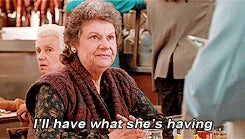
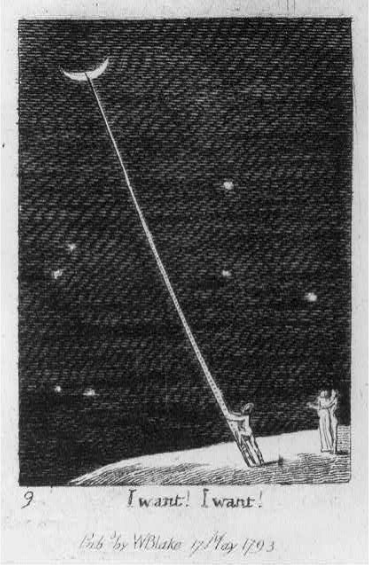
“I’ll have what she’s having” is an admission that, at the core, to want what others have is to want to be them. Maybe, if we get what she’s having, we can be what she’s being.

It’s a paradox mirage though; only through realizing how much peer orientation our wanting might contain, can we gain the agency to want what we truly need, despite what others have or seem to want.

The Difference Inquiries in Peers vs. Adults

If you’ve come this far and you’re still wondering about your orientation, think about the differences between these questions and wonder how you’d behave in the room if they came up? It might be that we’re in the room already…

Orientation

  • Peer: What is everyone else doing?
  • Adult: What is right, given the situation?

Validation

  • Peer: Will this be accepted?
  • Adult: Can this be justified?

Time Horizon

  • Peer: What works right now?
  • Adult: What holds up over time?

Decision-Making

  • Peer: What’s the consensus?
  • Adult: What’s the decision?

Responsibility

  • Peer: Who else is involved?
  • Adult: What is my responsibility here?

Risk

  • Peer: What won’t get me in trouble?
  • Adult: Where does the buck stop?

Identity

  • Peer: How do I fit in?
  • Adult: Who am I becoming?

Knowledge

  • Peer: What’s being said about this?
  • Adult: What do I actually know about this?

Authority

  • Peer: Who’s popular or influential here?
  • Adult: Who is accountable here?

Conflict

  • Peer: How do I avoid friction?
  • Adult: What needs to be confronted?

Culture

  • Peer: What’s trending?
  • Adult: What’s worth preserving or building?

Learning

  • Peer: What can I pick up quickly?
  • Adult: What do I need to understand deeply?

Judgment

  • Peer: What seems reasonable?
  • Adult: What can I stand behind?

Future

  • Peer: What’s next?
  • Adult: What does this become?

Revisiting Pinocchio: Nation-Building and Modern Freedom

A socio-political analysis of Pinocchio as a myth of nation-building and disciplined citizenship, contrasted with a modern inversion of that arc, where cutting attachments promises freedom for society but risks producing self-instrumentalized, unmoored puppets.

We focus on the myth of Pinocchio, how his nose grows when he lies and how he became a real boy, but I was thinking the other day, what kind of society created this story?

The author, Carlo Collodi (1826–1890), was born into the servant class. He wrote this myth in 1880, in the middle of the industrialization of Italy, and 20 years after the country was unified after hundreds of years of war. He volunteered in the wars of independence in ’48 and ’60. He was passionately political and active early in his career, writing scathing satire, some of which was banned by the Grand Duke of Tuscany. 

When the democratic Italy he fought for turned out to be a sham, he became disenchanted with political satire and switched to writing children’s literature, using the medium to express his convictions.

Collodi believed in and fought for a unified Italy that would produce a moral renewal, dignified citizens, elevated people. By the time he begins to write Pinocchio in 1880, this dream is frayed and in tatters.

A newly “united” nation finds itself in political turmoil because a monarchy, mixed with the papacy, has replaced the idealized democracy they fought for, subverting the national identity of a populace facing the beginning edge of an industrial revolution with technology no one has seen before. A citizenry unprepared for the transition to an entirely new way of life, one hastily jerry-rigged to industry.

Seventy percent of the rural population is illiterate, taxes are heavy, and poverty is the baseline. If you weren’t working in a factory, or one of the 300,000 that would emigrate during this time, you farmed for subsistence. 

Those that embraced the new way of industrial life had less security. As Italian microhistorian Franco Ramella noted about this time, the rural population “were periodically pushed into precarity by the unstable nature of industrial products and their presence on the market.”

This is industrializing Italy. The modern laboring subjects were rural migrants and peasants, populations the newly formed state could not directly coerce into maturity and factory-readiness.

In the final 1883 version, “The Adventures of Pinocchio” after a series of engagements with many characters from the natural and supernatural world—and the seminal transformation into a donkey in the Land of Toys – Pinocchio becomes real when he internalizes his demands, brings his waywardness and freedom down, and aligns desire with productivity, obedience, and discipline.

Collodi’s characterizations in this myth could be seen as a warning to himself and his generation. It could be an admission from a disappointed liberal reformer: We failed to make a nation that naturally produces citizens.

Now we must manufacture them.


Through The Land of Toys

The Land of Toys, an important allegorical vehicle in the tale, is evidence of Collodi’s attempts to artfully address and emphasize certain aspects of the modernizing society back to itself through the story.

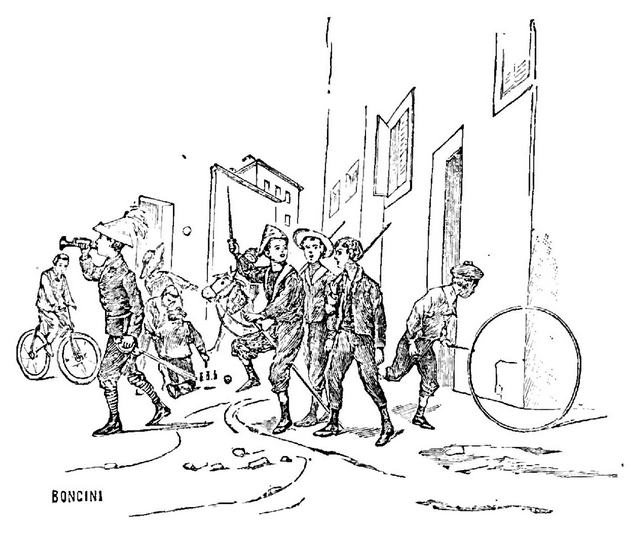
The Land of Toys, originally referred to as a land of Cocagne, later labeled Pleasure Island in the Disney adaptation, is a haven of freedom and anarchy for children who are promised a place where they never have to go to school or work, spending their whole time having fun. In Collodi’s original story it is a mysterious, almost legendary place not present on any maps, unlike in the Disney version where it is an actual location,

Collodi describes in detail how Pinocchio and his wayward companion Candlewick are lured to the Land of Toys by the Coachmen and what they find there.

Along with all the technological chaos and cutting edge pandemonium, there are big tent events advertising the freedoms on offer, canvas theaters crowded by children from morning to evening. The walls of some houses bear messages: “Long live playthings! We will have no more schools! Down with arithmetic!” 

Most sentiments are expressed through poor spelling.

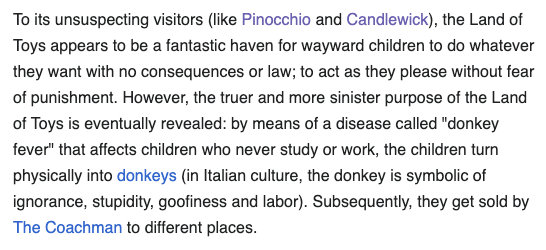
Here’s a tighter synopsis from the Wiki to move us along….

A key detail of the transformation from boy to donkey, from humans into work animals—cited as one of the most shocking in all of children’s literature—is that the children who are fully transformed lose their ability to speak. The speechless donkeys still retain their human minds, able to understand commands, like to strip and get into crates to be sold to hapless farmers.

Another noteworthy aspect of the transition from boy to donkey is that in the Disney version, one can reverse the transformation by correcting bad behavior. In Collodi’s official version, transformation is automatic and irreversible, leading to great toil and pain.

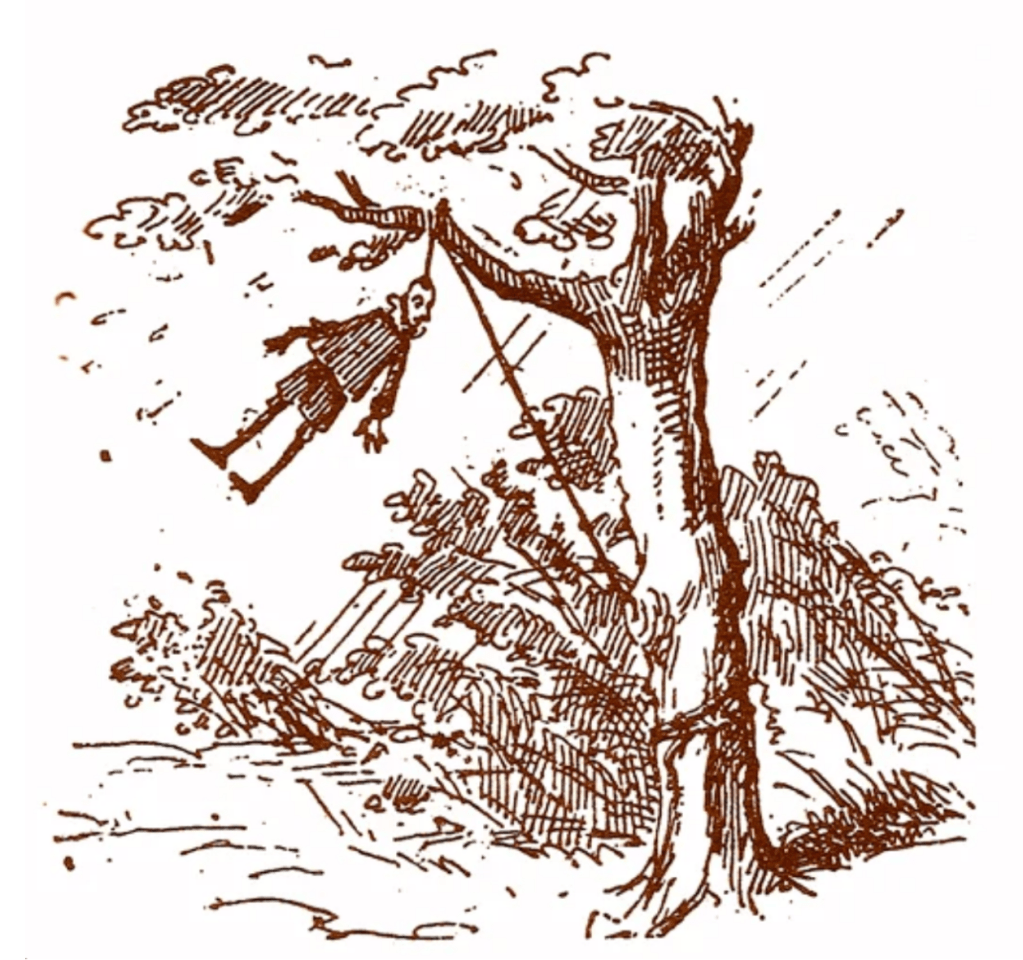
artwork from the 1883 version, where Pinocchio is hung up to die by the Fox and Cat.

The theme of the cycle of death and rebirth happens many times throughout the story, with Pinocchio encountering many animals that get killed and are reborn, the Blue Fairy is a ghost, kinda, and after transforming in the Land of Toys, Pinocchio stays a donkey for months and only turns back into a puppet when a fish tricks him into a pool and eats the disguise off, essentially killing the donkey version of him, re-emerging as a puppet again. 

Taking the socio-political lens of the era in which Collodi wrote this story, the transformative requirement to have the capacity to allegorically die and be reborn, and engage and maintain a harmonious relationship with nature, as opposed to technology and donkey work, hint at two additional morals for this tale that The Land of Toys makes visible.


Untangling The Modern Marionette

It’s been over 100 years since it’s release, and since it’s the third most translated story in the world, there must be a reason Pinocchio continues to unspool truths about our evolving, steady industrializing present. 

Through later critical voices from Italy, it could be argued that Collodi’s Pinocchio might not simply be a didactic vehicle about maturity, but also a message of political ambivalence and bittersweet acceptance of the modern times real Italian boys would be inheriting.

In a 2022 article “The Politics of Pinocchio” by Anna Momigliano from The Atlantic, a 1975 analysis of the tale by Alberto Rossa is cited, to explain how one might view this story through yet another lens.

In his seminal 1975 essay, “Le Voci di un’Italia Bambina,” Rosa suggested that Pinocchio’s central political theme was, in fact, the acceptance rather than the rejection of the compromises that go with nation-building: “It’s a universal tale, destined to repeat itself for every person and for every nation. There always comes a moment in which individuals or communities become more adult than they used to be and, looking back, mourn the time when they could be puppets, i.e. do what they pleased.” According to Rosa, Collodi’s greatness lay in his understanding that coming of age, both privately and politically, entails a loss: “Growing up means gaining something but losing something else: A puppet has riches that a boy could never have.

Taking Rosa’s reasoning a step further..if being a puppet represents uncontrolled rebelliousness, and becoming a real boy means submitting to the social order of a modern nation, with all its hypocrisies and injustices, this would explain the bittersweet, slightly nostalgic tone of the novel’s conclusion: “How funny I was when I was a puppet! And how happy I am now to have become a good little kid!”

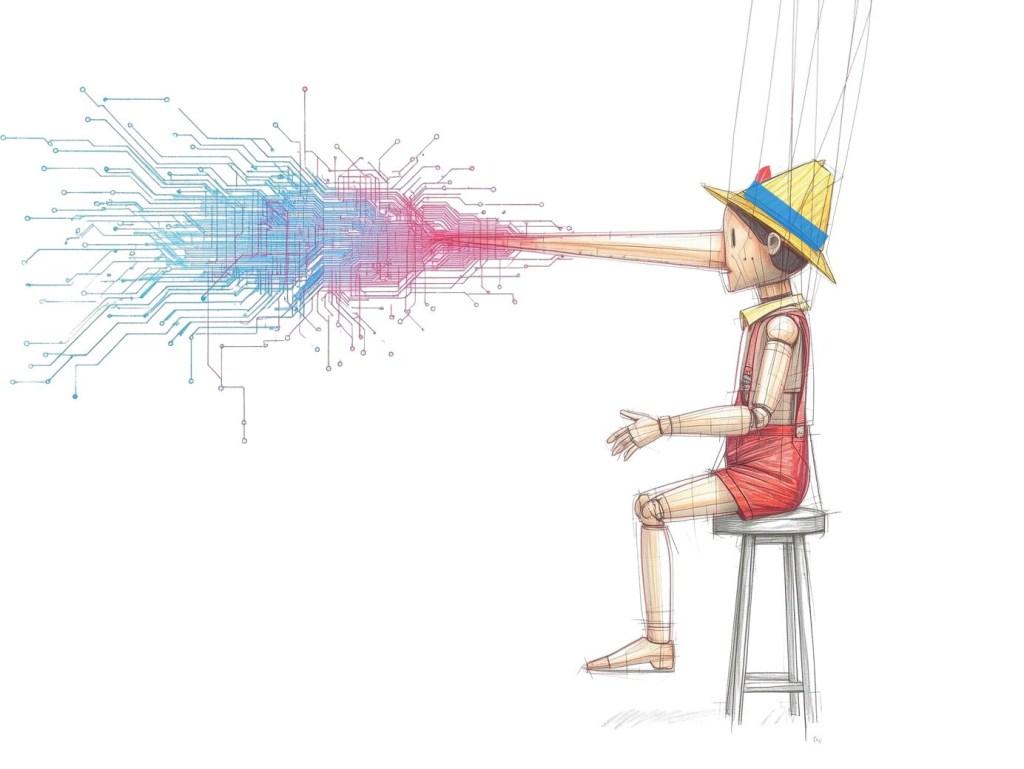
This combined view from Momigliano & Rosa unlocks an interesting angle to study the mindset of the technodeterminist, our modern Pinocchio, who seems to desire the inverse of the original work’s premise; to go from a fake boy to a real life puppet.

The inversion is artfully illustrated in the lyrics from the 1940 adaptation by Disney – 

I’ve got no strings

To hold me down

To make me fret

Or make me frown

I had strings

But now I’m free

There are no strings on me

Hi-ho the me-ri-o

That’s the only way to go

I want the world to know

Nothing ever worries me

I’ve got no strings

So I have fun

I’m not tied up to anyone

They’ve got strings

But you can see

There are no strings on me

– “I’ve Got No Strings” from Disney’s “Pinnochio” 1940
by Leigh Harline / Ned Washington

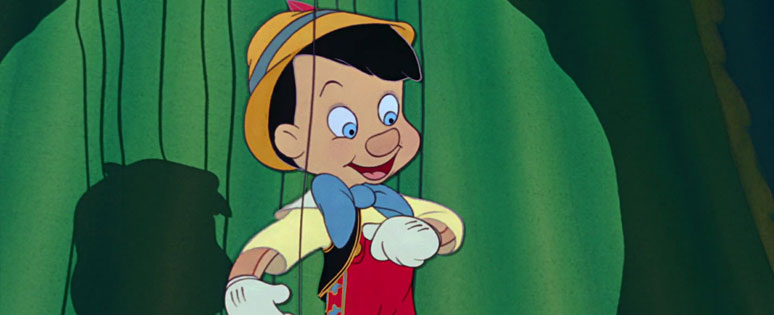
In the Disney 1940 adaptation of “Pinocchio,” the marionette celebrates having “no strings.” A puppet is held up by strings, yet the song recasts them as holding him down. 

Strings function metaphorically here as attachments—vulnerable, caring relationships, obligations, dependencies. What once enabled mobility and orientation is reframed as constraint. Freedom becomes detachment, invulnerability turns into identity. 

The theme of comparison is key. The only way to be free is to be a puppet, but not a marionette controlled by relationships and attachments, something real boys might have to contend with.

The outward projection is one of unattached coolness, nothing ever worries me, nothing binds me, nothing holds me down or back. 

The inverse moral of Pinocchio for the technodeterminist, might be that the original ending, becoming a real boy, belongs to the past. With the proper tech, Carlo Collodi’s vision for disillusioned peasants, can evolve alongside the machines that overtook the political nature of countries around the world and are going through a hasty rejiggering of industry into technocracy. 

The goal might no longer be to become “real boys” based on an outdated (maybe even “fake”) view of politics and citizenry. 

The goal is to cut ties to everything and walk as carefree puppets—not to live inside real life with others, but to manipulate your way through it alone.